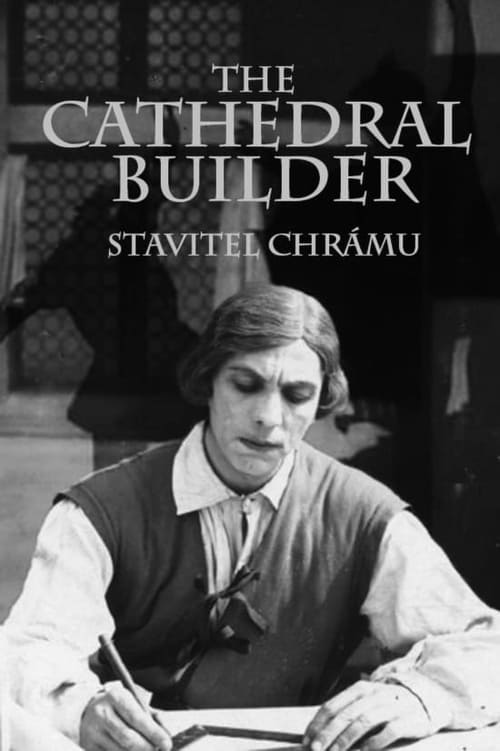
The Cathedral Builder
1920
No user ratings available yet
Representation score: 1.1 out of 10

Representation Score
Fair
2025
Director
Stéphane Demoustier
Runtime
104 minutes
Average Rating
No ratings yetNew Showbiz Analysis
The film serves as a sophisticated historical critique of a large-scale political project. It steers clear of traditional hagiography by focusing on disillusionment and the tension between personal vision and institutional bureaucracy. While the narrative centers around a traditionally masculine protagonist and a Eurocentric historical context, the creative team's approach suggests a focus on psychological complexity. The inclusion of diverse talent like Xavier Dolan hints at potential depth beyond the main architectural storyline. Overall, the film prioritizes a critique of power and the 'sordid affair' of construction over a celebratory hero's journey.
Category Breakdown
Xavier Dolan's casting in the film suggests a possible exploration of nuanced queer themes. Although the characters' identities are not explicitly stated, Dolan's involvement often indicates a move away from stories that assume everyone is straight or cisgender.
The film focuses on the masculine archetype of the misunderstood genius. The narrative emphasizes male-dominated architectural and political structures, which may limit the role of women in driving the story.
The international scope of the architectural competition provides opportunities for diverse representation. However, the emphasis on a Danish architect in 1983 Paris might limit the film's racial diversity.
The film avoids simplistic patriotic themes by examining the systemic pressures of state-sponsored projects. It highlights the human cost and moral complexities of monumentalism rather than glorifying it.
There is no documented evidence regarding the portrayal of physical or neurodivergent disabilities in the available material.
Present on Screen
Limited or Absent
Official Synopsis
France, 1983. The biggest architectural competition in history is launched by the new socialist president, François Mitterrand. Coveted by all the biggest international architectural firms, the open-call competition is surprisingly won by an unknown: Johan Otto von Spreckelsen, an architecture teacher from Copenhagen. Until then, the fifty-year-old Dane had built only four buildings: his home, and three small chapels.
1920

1955

2005
2005

2026
2022

2018

2010
No reviews yet. Be the first to share your thoughts on this movie!
Use the rating form above to leave a star rating and optional review.