Poor George
1993
No user ratings available yet
Diversity score: 5.2 out of 10
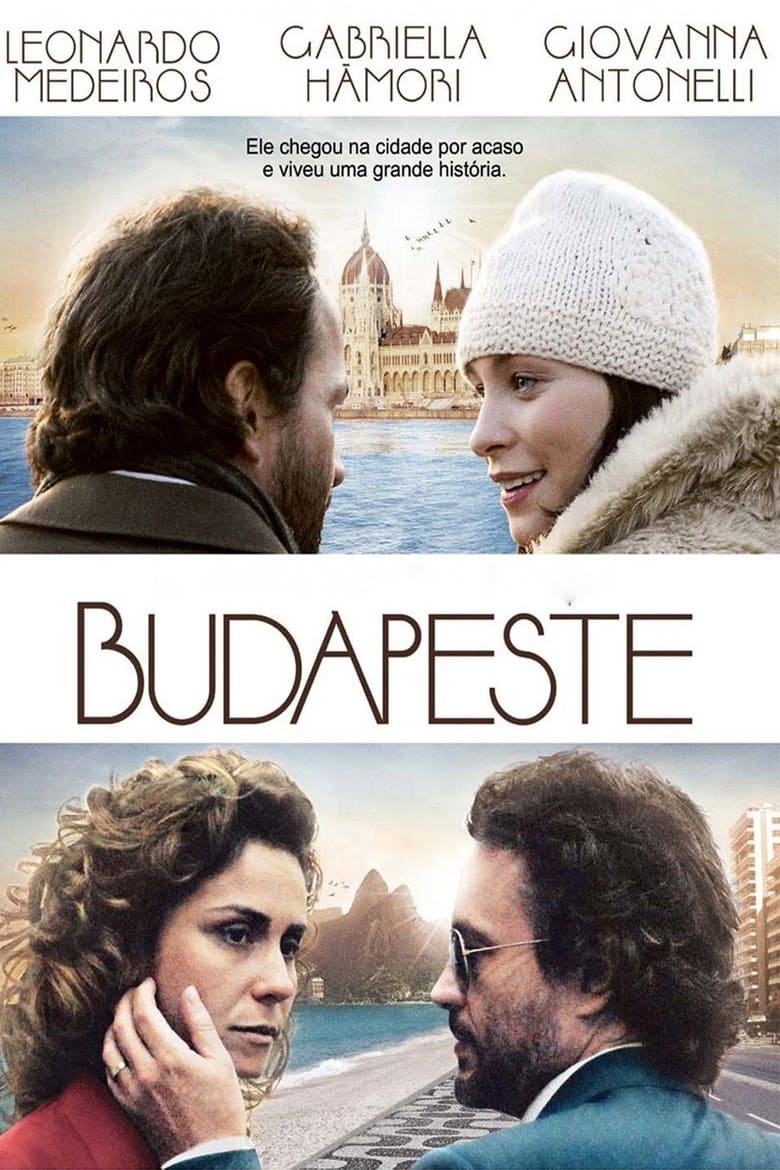
2009
Director
Walter Carvalho
Runtime
113 minutes
Average Rating
No ratings yetSynopsis
José Costa is a Brazilian ghost writer. Returning from a ghost writers convention his airplane is rerouted to Budapest. His life is also rerouted when he meets Krista and with her help, learns "the only language in the world which, according to the tongue-wagers, the devil respects.
Overall Score
Fair
Category Breakdown
LGBTQ+ Representation
The film maintains a neutral stance regarding queer identities. While it explores themes of displacement and non-traditional life paths, there is no explicit evidence of LGBTQ+ characters.
Gender Representation
Krista serves as a vital catalyst for the protagonist's evolution. Her role subverts traditional hierarchies by providing the intellectual and spiritual framework necessary for his personal growth.
Racial & Ethnic Diversity
As a Brazilian production, the film offers a non-Western perspective. The journey from Brazil to Budapest facilitates a cross-cultural dialogue that challenges standard Hollywood storytelling structures.
Religious & Cultural Diversity
The narrative explores esoteric spirituality rather than institutional dogma. It focuses on personal morality and the deconstruction of a structured, predictable life through chance encounters.
Disability Representation
There is no information available regarding the portrayal of physical or neurodivergent disabilities in this work.
Strengths
Areas for Improvement
AI Analysis
Budapeste is a character-driven drama that prioritizes emotional interiority and the fluidity of human experience. By centering on a Brazilian protagonist's existential detour, the film moves away from rigid social structures and traditional genre tropes. The narrative succeeds in offering a globalized perspective, utilizing the protagonist's displacement to explore identity. It avoids the pitfalls of conventional drama by focusing on a shift from passive existence to active engagement with the world. However, the film lacks explicit engagement with high-visibility identity politics. While it subverts some gender tropes through Krista's agency, it remains largely neutral on specific representation regarding LGBTQ+ and disability themes.
1993

2009
1998
2018

2012
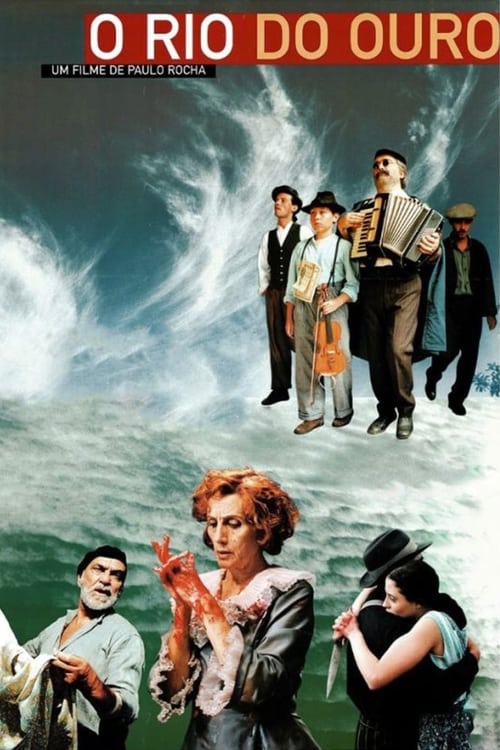
1998
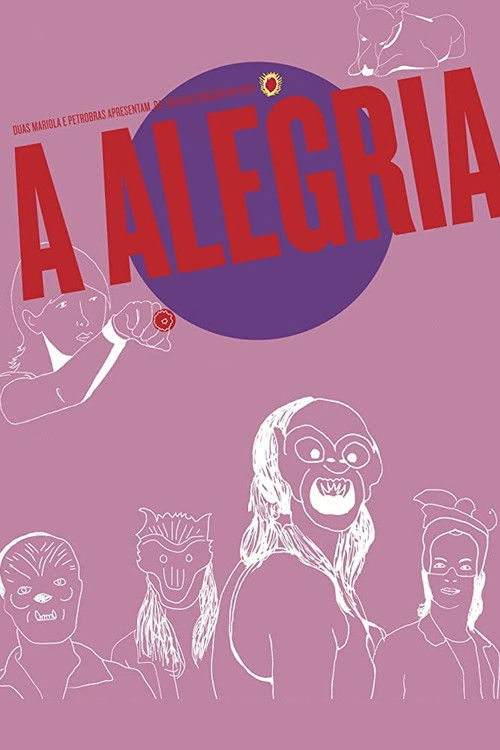
2010
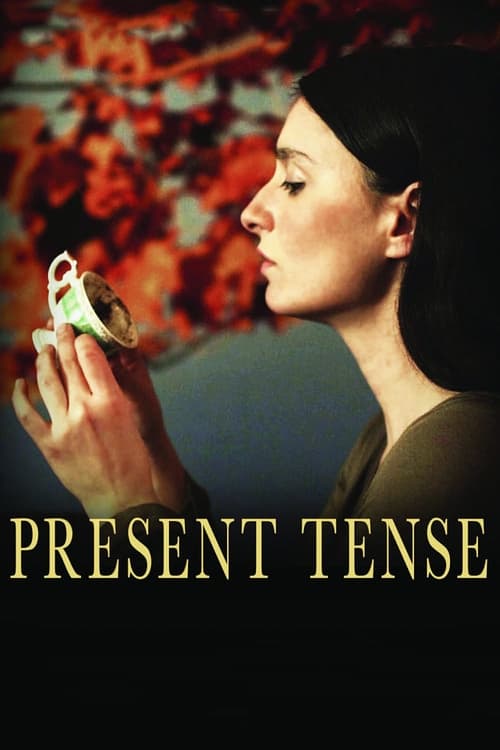
2012
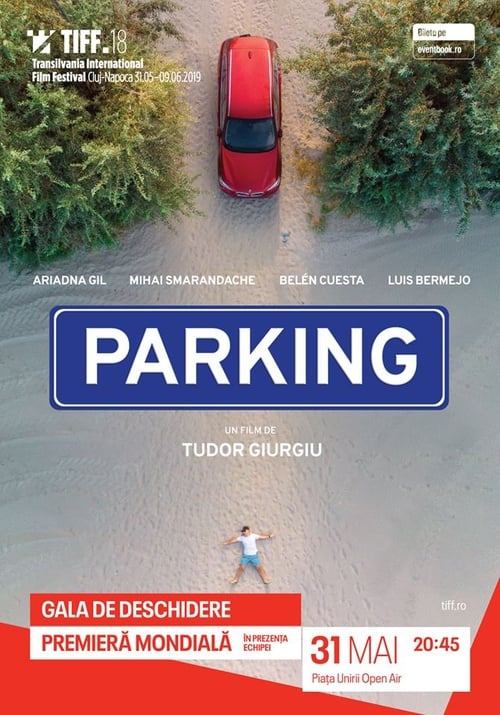
2019
2013
2017
2010
No reviews yet. Be the first to share your thoughts on this movie!
Use the rating form above to leave a star rating and optional review.