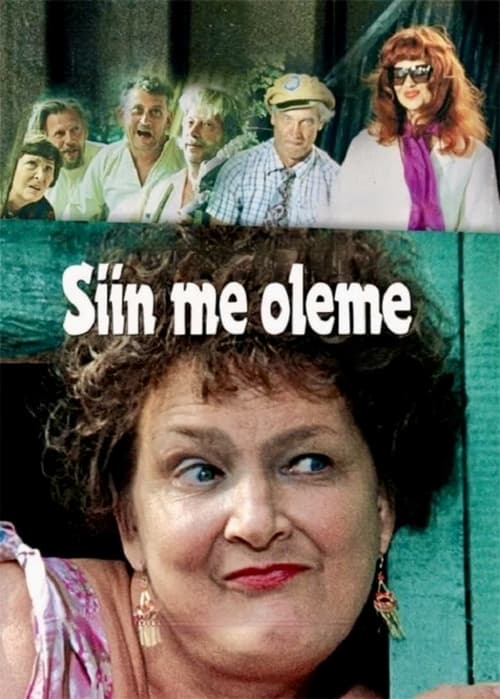
Here We Are
1978
No user ratings available yet
Representation score: 2.7 out of 10
No Poster Available
Representation Score
Limited
1970
Director
Martin Ťapák
Runtime
62 minutes
Average Rating
No ratings yetNew Showbiz Analysis
The film is a period-specific social comedy that adheres to the conventional narrative structures of 1970s Czechoslovakia. It prioritizes localized, homogeneous community life over stories that reflect multiple aspects of identity. While the film captures the rhythms of rural life and communal dynamics, it does not attempt to disrupt established social hierarchies. The focus remains on traditionalist storytelling and agrarian social structures. Ultimately, the work functions as a reflection of its specific historical and geographic context, offering a narrow but culturally consistent view of village life.
Category Breakdown
The film focuses on a traditional heterosexual marriage and does not include any representation of non-binary gender identities or narratives that challenge the assumption that everyone is straight or cisgender.
Gender roles follow a traditional domestic hierarchy where the male lead dominates the household. The female lead is primarily defined through her relationship to the male lead, providing comedic tension.
The production reflects the homogeneous demographic of a 1970 Czechoslovak village. There is no evidence of diverse ethnic representation within the rural setting.
The story focuses on secular village rituals and communal property disputes. It reinforces traditional agrarian values and local social institutions rather than exploring broader cultural critiques.
There is no mention of characters with visible or invisible disabilities. The narrative does not integrate neurodivergence or physical impairments into its character arcs.
Present on Screen
Limited or Absent
Official Synopsis
Adam Krt, a village farmer and shoemaker, lives in a happy marriage with his wife Eva. He is only afraid of her when he gets drunk and does something stupid. One day Adam successfully sells all the shoes he has made at a fair and uses the money to buy a heifer on his way home, directly from his neighbour Trnka (I. Rajniak). While the two of them are having a lavish "old-mash" in the pub, the heifer disappears. The trouble is that Adam has paid for the animal at the pub but has not yet taken possession of it. The two neighbours can neither find the heifer, nor can they agree who actually owned the lost animal....
1978
1938
1975
1955

2008
2003
2010
2012
No reviews yet. Be the first to share your thoughts on this movie!
Use the rating form above to leave a star rating and optional review.