
Le Gendre idéal 2
2010
No user ratings available yet
Representation score: 3.3 out of 10
Representation Score
Limited
2010
Director
Lorraine Lévy
Average Rating
No ratings yetNew Showbiz Analysis
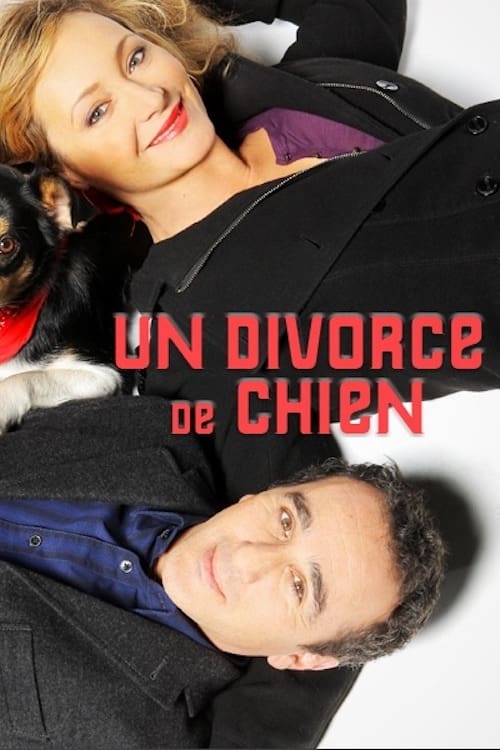
Un divorce de chien functions as a conventional domestic comedy that adheres to established genre clichés. The film focuses on interpersonal dynamics and the complexities of family upheaval rather than disrupting social hierarchies. While the production features a diverse cast, including actors like Sara Martins, the narrative lacks specific details regarding the roles of characters from different backgrounds. The film reflects standard social structures, providing a baseline level of inclusion but not implementing radical identity-based frameworks or ideological subversions.
Category Breakdown
The film follows a traditional comedic structure typical of early 2010s French television. There is no indication of non-traditional gender identities or stories that question the assumption everyone is straight.
The film features prominent female leads, suggesting the story centers on women’s perspectives during domestic conflicts. However, it seems to rely on traditional gender roles without challenging these hierarchies.
The inclusion of Sara Martins adds diversity to the cast. However, the narrative does not provide specific details about the roles of characters from different backgrounds.
The film operates within a Western European context, focusing on the breakdown of traditional family units. It explores the tension between traditional morality and modern secularism without prioritizing either perspective.
There is no information available regarding the inclusion of characters with visible or invisible disabilities.
Present on Screen
Limited or Absent
2010

2020

2021
2022
2011

2011
2008

2010
No reviews yet. Be the first to share your thoughts on this movie!
Use the rating form above to leave a star rating and optional review.