The Importance of Being Earnest
2002
No user ratings available yet
Representation score: 3.9 out of 10
Representation Score
Fair
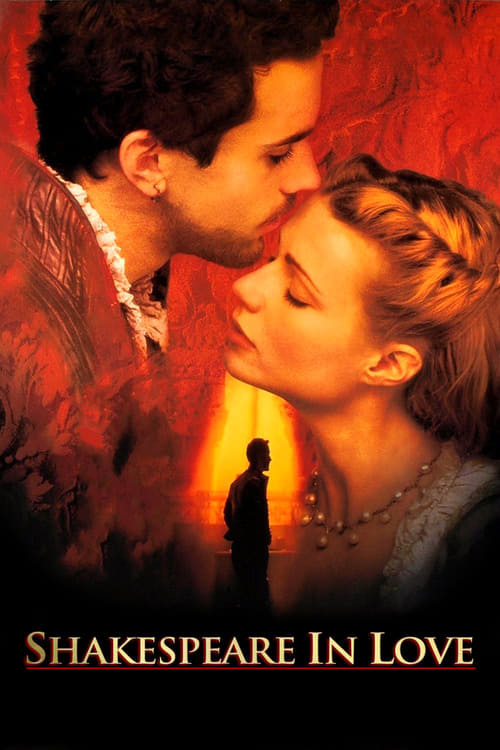
1998
RDirector
John Madden
Runtime
124 minutes
Average Rating
No ratings yetNew Showbiz Analysis
Shakespeare in Love is a period piece that prioritizes the subversion of social hierarchies over demographic breadth. It excels at dismantling gendered power dynamics, presenting a female lead with significant intellectual and creative ability to act. However, the film is limited by its adherence to historical homogeneity. The lack of racial diversity and the use of gender-bending solely as a theatrical cliché rather than a queer identity marker keep the representation narrow. Ultimately, the film's progressive value lies in its critique of institutional authority, celebrating individual passion over the rigid morality of the Elizabethan era.
Category Breakdown
The film uses Elizabethan cross-dressing as a plot device rather than a celebration of queer identity. While Viola performs in male roles, the story remains focused on a heterosexual relationship.
Viola de Lesseps provides a strong counterpoint to patriarchal norms through her intellectual and professional contributions. The narrative successfully challenges the era's gender hierarchies by centering her autonomy.
The cast reflects a homogeneous depiction of late 16th-century London. It prioritizes historical accuracy over contemporary multi-layered casting or color-blind approaches.
The story critiques the restrictive nature of the Church and state censorship. It frames the theater as a vital sanctuary for personal and artistic liberation against institutional suppression.
There are no prominent depictions of visible or invisible disabilities that drive the character arcs or the central plot.
Present on Screen
Limited or Absent
Official Synopsis
Young William Shakespeare is forced to stage his latest comedy, 'Romeo and Ethel, the Pirate's Daughter', before it's even written. When lovely noblewoman Viola de Lesseps auditions for a role, they fall into forbidden love — and Shakespeare's play finds a new life (and title). As their relationship intensifies, the comedy soon transforms into tragedy.
2002

2018
1993
1999
1997

2004
2022
1967
No reviews yet. Be the first to share your thoughts on this movie!
Use the rating form above to leave a star rating and optional review.