
An Ideal Husband
1999
No user ratings available yet
Representation score: 1.6 out of 10
Representation Score
Limited
2002
PGDirector
Oliver Parker
Runtime
97 minutes
Average Rating
No ratings yetNew Showbiz Analysis
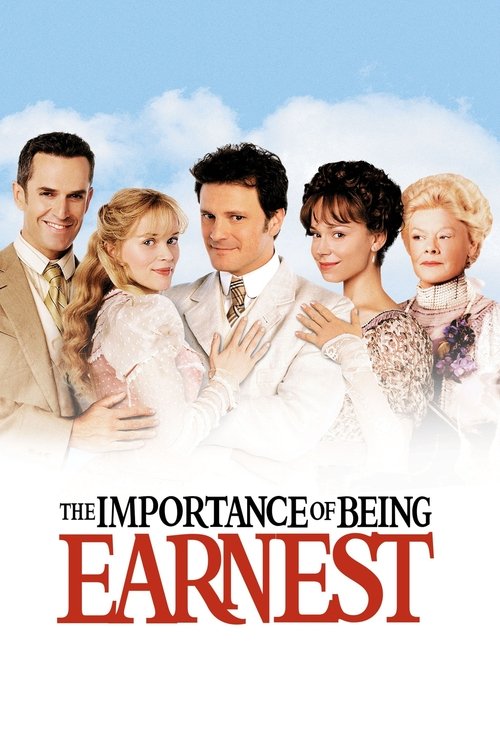
Oliver Parker’s adaptation is a faithful period piece that prioritizes historical accuracy over modern diversity. While it lacks racial and LGBTQ+ visibility, it successfully subverts the gender hierarchies of the Victorian era. The film uses satire to deconstruct the stability of Western social structures, offering a critique of the era's rigid moral expectations. Ultimately, the production is highly specialized, focusing on a deep, satirical exploration of class and identity within a specific historical context.
Category Breakdown
The film respects the period's constraints and does not include explicit same-sex intimacy. However, it explores themes of social masking and double lives through witty dialogue, providing subtle hints about performative identity.
Female protagonists Gwendolen and Cecily play key roles in driving the plot with significant wit and intelligence. They often outmaneuver the male characters, challenging traditional masculine dominance.
The cast is primarily white and Anglo-Saxon, reflecting the English aristocracy of the 1890s. There are no non-white characters or instances of color-blind casting.
The film critiques Western upper-class institutions by highlighting the absurdity of rigid Victorian etiquette. It portrays Bunburying as a form of social performance that challenges religious truth.
The film does not portray any characters with visible or invisible disabilities. The story focuses solely on the social and romantic dynamics of the landed gentry.
Present on Screen
Limited or Absent
Official Synopsis
Two young gentlemen living in 1890s England use the same pseudonym ('Ernest') on the sly, which is fine until they both fall in love with women using that name, which leads to a comedy of mistaken identities.
1999
1952
1998
2003
2020
1957
1988

1940
No reviews yet. Be the first to share your thoughts on this movie!
Use the rating form above to leave a star rating and optional review.