True Mothers
2020
No user ratings available yet
Representation score: 7.5 out of 10
Representation Score
Good
2018
GDirector
Jeanne Herry
Runtime
112 minutes
Average Rating
No ratings yetNew Showbiz Analysis
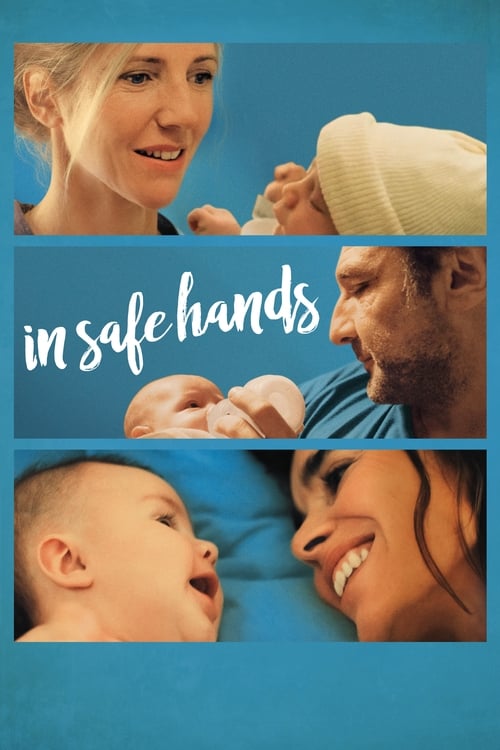
Jeanne Herry’s drama succeeds as a character-driven psychological study that challenges traditional gender hierarchies. By centering the plot on the intellectual and emotional resilience of women, the film elevates the domestic sphere into a site of intense struggle. However, the film lacks breadth in its demographic representation. The absence of LGBTQ+ narratives and a lack of multi-ethnic casting limits its exploration of diversity, keeping the scope narrow and socially homogeneous. Ultimately, the film is a rigorous examination of institutional frameworks. It trades broad social diversity for a deep, complex look at the psychological nuances of motherhood and state bureaucracy.
Category Breakdown
The film lacks prominent LGBTQ+ characters or stories that go beyond straight relationships. The central conflict revolves around the legal and biological complexities of heterosexual maternity and traditional adoption frameworks.
The narrative centers on the emotional resilience and intellectual strength of women. It positions the biological and prospective adoptive mothers as the primary drivers of tension.
The film focuses on a relatively homogeneous social stratum within contemporary France. There is no evidence of a diverse multi-ethnic cast driving the narrative or exploring racial diversity.
The story offers a nuanced critique of Western institutional structures and state-run welfare services. It explores the fragility of the ideal family unit and the subjective morality of maternal choices.
While physical disabilities are not a focus, the film explores invisible neuro-psychological struggles. It treats mental health and emotional instability as central, dignified components of the human experience.
Present on Screen
Limited or Absent
Official Synopsis
Théo is given up for adoption by his biological mother on the very day he is born. After this anonymous birth, the mother has two months to change her mind… Or not. The child welfare services and adoption service spring into action… The former have to take care of the baby and support it during this limbo-like time, this period of uncertainty, while the latter must find a woman to become his adoptive mother. She is called Alice, and she has spent the last ten years fighting to have a child.
2020
1995

2022

2022

2022

2012
2018

2020
No reviews yet. Be the first to share your thoughts on this movie!
Use the rating form above to leave a star rating and optional review.