The Turin Horse
2011
No user ratings available yet
Representation score: 3.4 out of 10
Representation Score
Good
1972
Director
István Gaál
Runtime
95 minutes
Average Rating
No ratings yetNew Showbiz Analysis
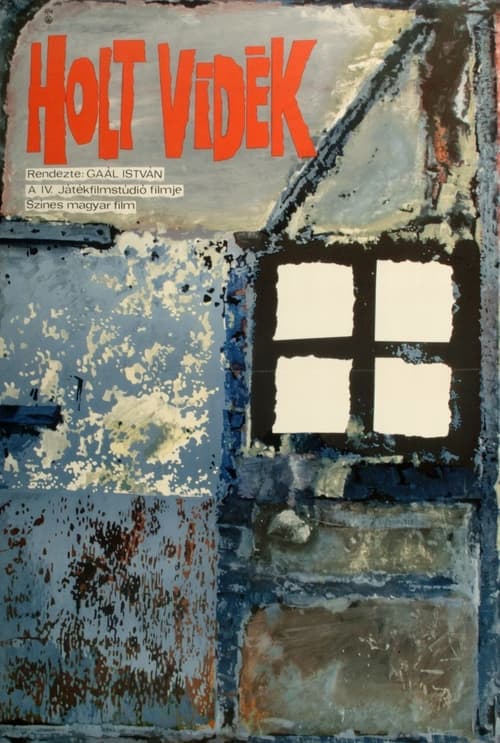
Dead Landscape is a somber existentialist character study that prioritizes psychological depth over traditional heroism. It succeeds in challenging the stereotype of the stable homemaker by centering a woman's despair rather than her role as a supporting figure in a patriarchal structure. However, the film lacks diverse representation. It remains rooted in the demographic homogeneity of mid-20th-century Hungary, offering little representation regarding race or LGBTQ+ identities. Ultimately, the film's value lies in its critical deconstruction of rural social structures. It trades comforting narratives for a complex look at systemic and individual isolation.
Category Breakdown
The film focuses on a traditional nuclear family unit consisting of a husband, wife, and son. There are no LGBTQ+ characters or narratives addressing non-straight identities.
The narrative centers on Juli's psychological deterioration, challenging the stereotype of the stable homemaker. Her internal struggle with isolation becomes the primary driver of the film's emotional landscape.
Set in rural Hungary, the film reflects the demographic homogeneity of its era and region. It lacks a multi-ethnic cast, focusing instead on localized socio-economic shifts.
The film offers a critical view of socialist agricultural restructuring through themes of social decay. It presents a bleak, secular view of existence where traditional institutions fail to provide comfort.
The story explores themes of profound loneliness and growing despair. However, it functions more as a study of psychological distress than a dedicated representation of specific disabilities.
Present on Screen
Limited or Absent
Official Synopsis
This Hungarian film chronicles the slow deterioration in the life of Juli, a farmer's wife. As the countryside grows ever more deserted because people are moving to towns or large collective farms, she spends more and more time alone. Despite her best efforts to appreciate her situation, her despair grows. The loneliness is briefly interrupted when she and her husband take in an old woman and care for her, but the woman dies. Shortly after her son visits, she is killed in an accident which may have been a suicide. ~ Clarke Fountain, Rovi
2011
1963

1978
1978
1976
2009
1969
1996
No reviews yet. Be the first to share your thoughts on this movie!
Use the rating form above to leave a star rating and optional review.