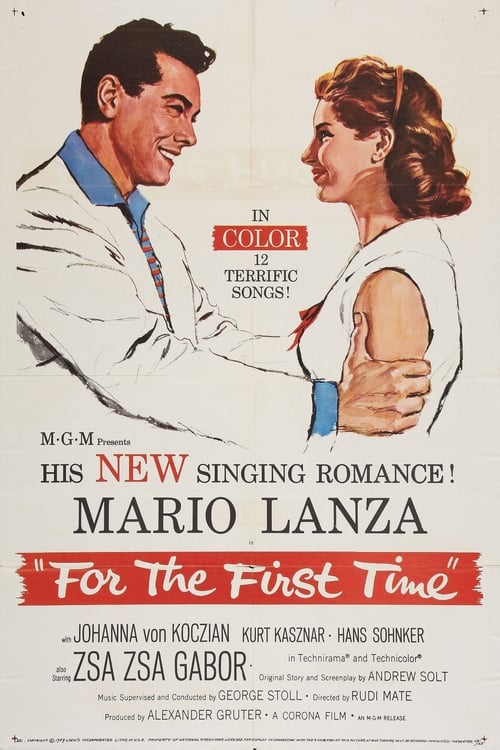
For the First Time
1959
No user ratings available yet
Representation score: 4.0 out of 10

Representation Score
Good
1965
Director
Mikhail Bogin
Runtime
37 minutes
Average Rating
No ratings yetNew Showbiz Analysis
Two in Love succeeds by moving beyond the clichés of romantic drama to explore the profound communication gap between two people. Its greatest achievement is the empathetic, non-caricatured depiction of disability, which treats deafness as a complex layer of identity and historical trauma. While the film lacks racial or LGBTQ+ diversity, it challenges gender expectations by centering the male protagonist's emotional labor and vulnerability. The narrative shifts the focus from traditional romantic conquest to the difficult task of understanding a different sensory reality. Ultimately, the film is a study of empathy. It uses the specific experience of hearing loss to deconstruct how broader events like war reshape an individual's relationship with the world.
Category Breakdown
The story centers on a heterosexual romance between Sergei and Natasha. There is no explicit evidence of queer identities or the subversion of straight-centered structures within the narrative.
The film challenges traditional masculinity by putting Sergei in a vulnerable position. Natasha plays a significant role in driving the story, as her needs shape the emotional journey and Sergei's personal growth.
The cast appears uniform, reflecting the domestic Soviet cinema of 1965. The narrative focuses on internal psychological landscapes rather than external ethnic or racial dynamics.
The film critiques traditional cultural norms by showing how war trauma can make symphonies feel oppressive. It prioritizes subjective emotional truth over universal social standards.
The film stands out by portraying deafness as a core part of identity rather than a challenge to overcome. It skillfully connects sensory experience to the profound trauma of war.
Present on Screen
Limited or Absent
Official Synopsis
Sergei, an aspiring musician, accidentally meets a deaf-mute girl, Natasha, and falls in love with her. He has to change a lot to prepare himself for a new relationship with a different and very vulnerable person. Natasha is like an alien or an alieness with whom Sergei has to find a completely new language to speak. Natasha tries hard to understand his musical world. The problem is that Natasha lost her hearing during the war and associates sounds with fear and pain. Even a symphony concert is torture for her.
1959

1974

1957

1986
1993
1952
1992

2015
No reviews yet. Be the first to share your thoughts on this movie!
Use the rating form above to leave a star rating and optional review.