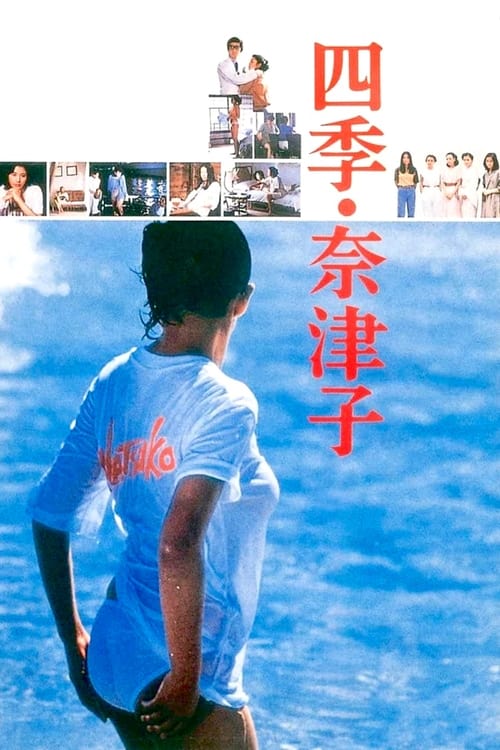
Four Seasons: Natsuko
1980
No user ratings available yet
Representation score: 4.0 out of 10
Representation Score
Fair
1974
Director
Toshiya Fujita
Runtime
92 minutes
Average Rating
No ratings yetNew Showbiz Analysis
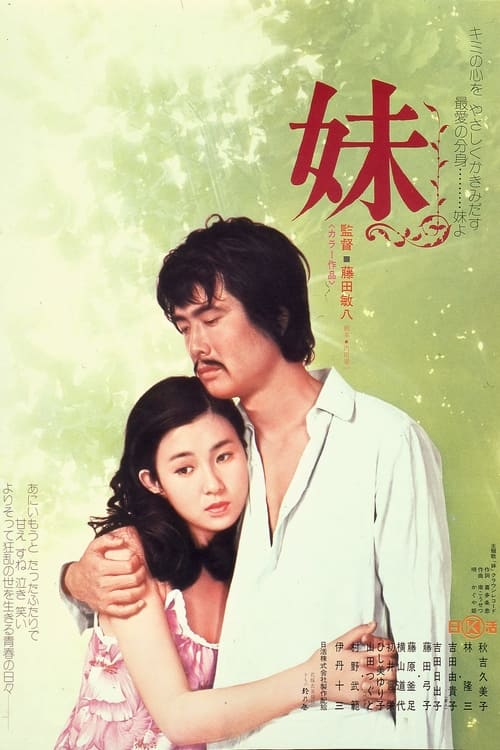
Younger Sister presents a grounded view of 1970s Japanese domestic life, centering on sibling bonds and romantic separation. The narrative relies on conventional gender roles, where women initiate emotional conflict and men respond to domestic crises. This structure highlights traditional family duty but limits broader social exploration. Representation remains narrow, with a homogeneous cast and no depiction of LGBTQ+ identities or disability. The film’s strength lies in its authentic portrayal of local social norms and personal responsibility. However, the absence of diverse perspectives restricts its scope beyond the immediate family unit. The overall diversity score reflects this limited range. While the cultural depiction is specific and clear, the lack of intersectional depth keeps the score low. The film serves as a period piece rather than a broad social commentary.
Category Breakdown
The film contains no LGBTQ+ characters or same-sex romance. The story focuses entirely on heterosexual relationships between siblings and their partners. No non-heteronormative identities are depicted or discussed.
Women drive the central conflict through Neri’s return and Eiko’s search for her brother. Men react to these events, with Akio managing the household. Roles remain traditional, with women as emotional catalysts and men as problem-solvers.
The cast consists entirely of Japanese actors, reflecting the film’s cultural setting. No characters of other racial or ethnic backgrounds are present. The story does not address cross-cultural interactions or diversity.
The film portrays Japanese family dynamics, emphasizing duty and domestic harmony. Traditional values like sibling support and community ties are honored. The narrative centers on local social norms and personal responsibility.
No characters with physical or mental disabilities appear in the film. The story does not address disability as a lived experience or plot element. All characters are presented as able-bodied without specific focus on accessibility.
Present on Screen
Limited or Absent
Official Synopsis
Akio's sister, Neri has separated from her boyfriend. They lived in Kamakura. She moves in with her brother. Her ex-boyfriend's sister, Eiko comes to see Neri. She wonders if the separation occurred due to her because the three of them used to live together. Eiko's brother has disappeared in the meantime.
1980

1998
1983
1957
2014
2007
1958
2014
No reviews yet. Be the first to share your thoughts on this movie!
Use the rating form above to leave a star rating and optional review.