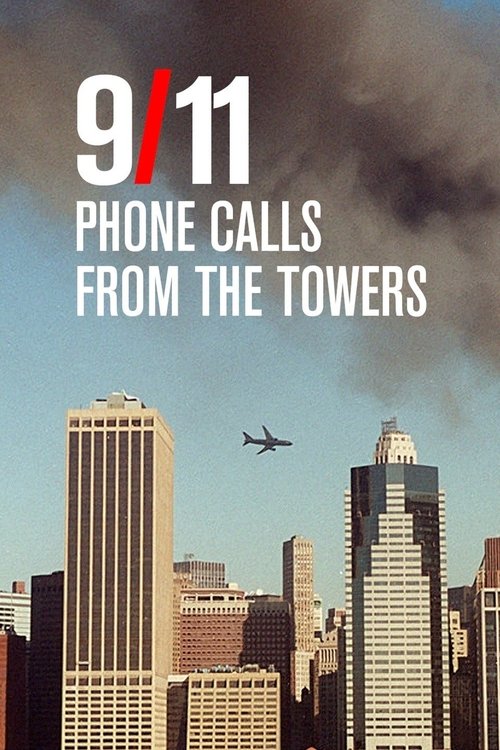
9/11: Phone Calls from the Towers
2009
No user ratings available yet
Representation score: 4.6 out of 10
Representation Score
Good
2011
TV-PGDirector
Molly Hermann
Runtime
52 minutes
Average Rating
No ratings yetNew Showbiz Analysis
Molly Hermann’s documentary shifts the focus from geopolitical consequences to the intimate, material culture of September 11. By centering the narrative on small, personal artifacts like briefcases and nametags, the film deconstructs monumental history in favor of individual testimony. While the micro-historical approach successfully humanizes a massive geopolitical event, the film operates within a traditionalist framework. It emphasizes social cohesion and communal resilience rather than challenging existing hierarchies or offering a systemic critique of the event's broader implications. Ultimately, the work functions as a humanistic study of personal loss. It prioritizes the subjective weight of ordinary people pushed by extraordinary circumstances, though it remains within conventional demographic and narrative parameters.
Category Breakdown
The film does not include any explicit mentions of LGBTQ+ characters or stories. It focuses on a wide range of human experiences without emphasizing non-straight or non-cisgender identities.
Through the use of personal items such as sweatshirts and nametags, the film offers a gender-neutral look at vulnerability. It avoids strictly male-centric views of tragedy to highlight everyday people.
The documentary captures stories from New York, the Pentagon, and Shanksville. However, it does not specifically focus on multi-layered racial identities or feature a predominantly non-white cast.
The narrative emphasizes a restorative view of American resilience and communal strength. It highlights themes of friendship and courage over critiques of systemic power or Western institutions.
There is no specific mention of neurodivergent individuals or those with physical disabilities. The focus remains on the material objects left behind by the victims.
Present on Screen
Limited or Absent
Official Synopsis
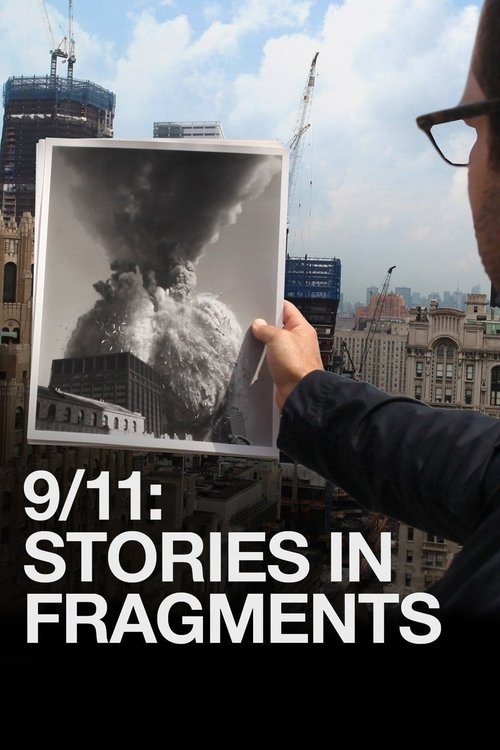
How do you grasp an event as enormous as September 11? At the Smithsonian's National Museum of American History, you start small: A briefcase, a Blackberry, a victim's sweatshirt, and a hero's nametag. Simple objects that tell personal stories, recounted in the donors' own words. Stories from New York, the Pentagon and Shanksville, PA remind us that the legacy of 9/11 is not fear -- it's friendship, courage, and ordinary people pushed by extraordinary circumstances.
2009

2002
2021

2011
2008

2012
2019

2002
No reviews yet. Be the first to share your thoughts on this movie!
Use the rating form above to leave a star rating and optional review.