Newtown
2016
No user ratings available yet
Representation score: 7.3 out of 10
Representation Score
Good
2019
Not RatedDirector
Laura Farber
Runtime
78 minutes
Average Rating
No ratings yetNew Showbiz Analysis
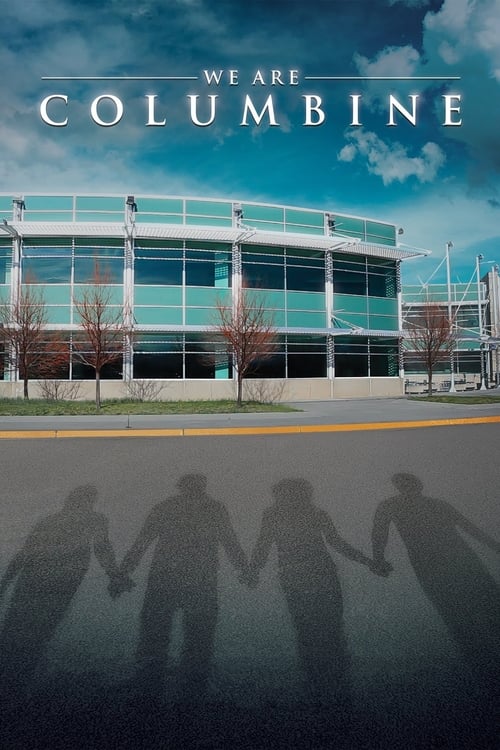
We Are Columbine shifts the focus from the mechanics of violence to the resilience of survivors. By centering the survivors' psychological strength, the film disrupts sensationalist media clichés and prioritizes the community's healing process. The documentary gives voice to the internal landscapes of survivors, particularly regarding mental health. It moves away from the perpetrators to focus on the people reclaiming their own narratives. While the film offers deep psychological insight, it lacks explicit evidence regarding racial diversity or specific LGBTQ+ identities. The representation remains largely centered on the immediate, localized survivor community.
Category Breakdown
The film highlights personal expression through individual identity but does not explicitly show non-traditional gender or sexual identities within the survivor group.
The movie balances the roles of men and women equally, showing survivors of all genders actively participating in their recovery.
The film focuses on a specific community in Colorado and does not suggest a cast that includes a wide range of racial backgrounds.
The documentary challenges traditional views of safety by highlighting social instability. It emphasizes individual emotional truth and community resilience over patriotic sentiments.
The film focuses on invisible disabilities such as psychological trauma and PTSD, emphasizing the complexity of long-term mental health journeys.
Present on Screen
Limited or Absent
Official Synopsis
The Columbine shootings were a tragic event in American history and have proved a lasting influence in continued acts of violence ever since. In this harrowing account, student and faculty survivors of Columbine, Amy, Gus, Jaimi, Zach, Mr. Leyba and Principal DeAngelis, reflect on the event that has both shaped them and created an unbreakable spirit shared between them. This is not the story of death, but of the process of healing in the face of the unspeakable.
2016
2015
2019
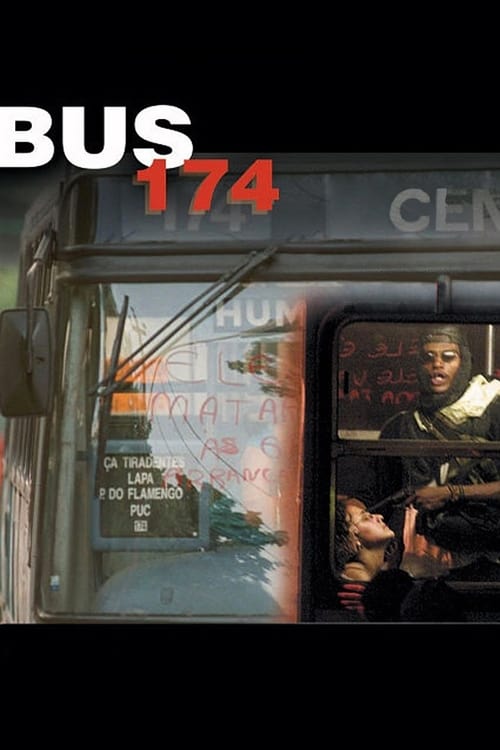
2002
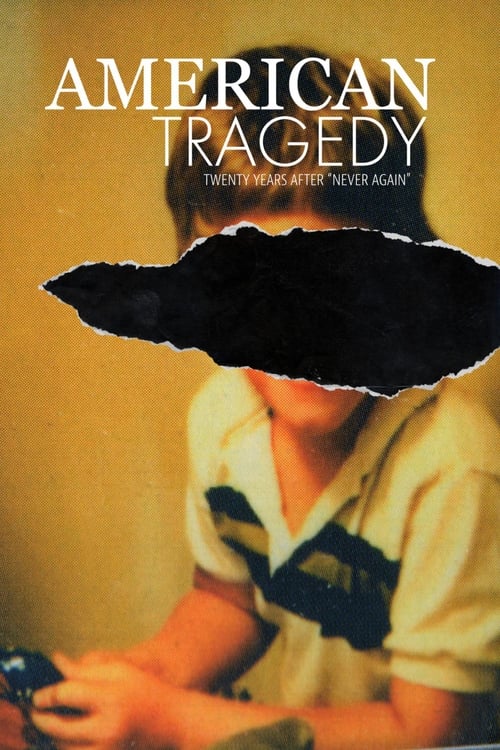
2019
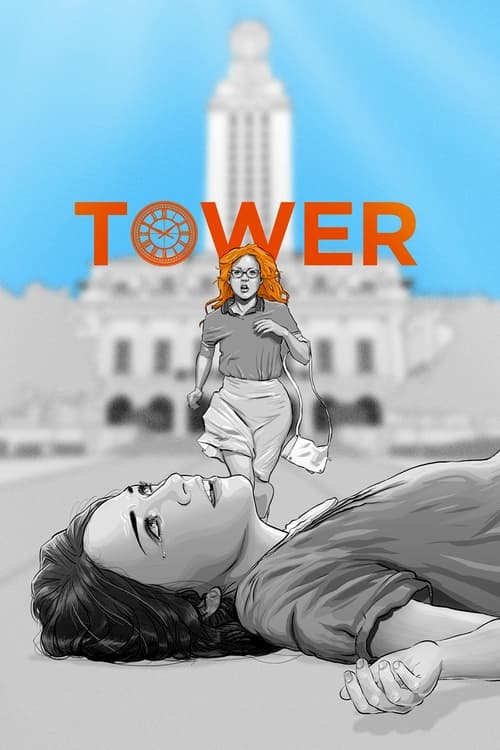
2016
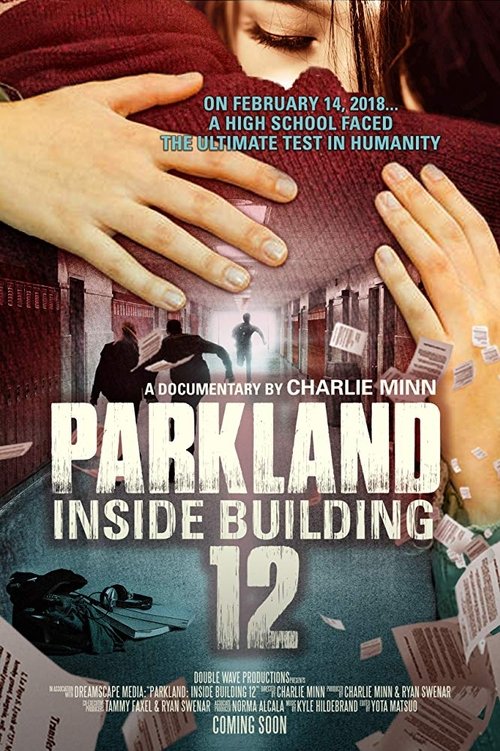
2018
2015
No reviews yet. Be the first to share your thoughts on this movie!
Use the rating form above to leave a star rating and optional review.