
My Way
2024
No user ratings available yet
Diversity score: 5.5 out of 10
2012
Director
Jozef Devillé
Runtime
85 minutes
Average Rating
No ratings yetSynopsis
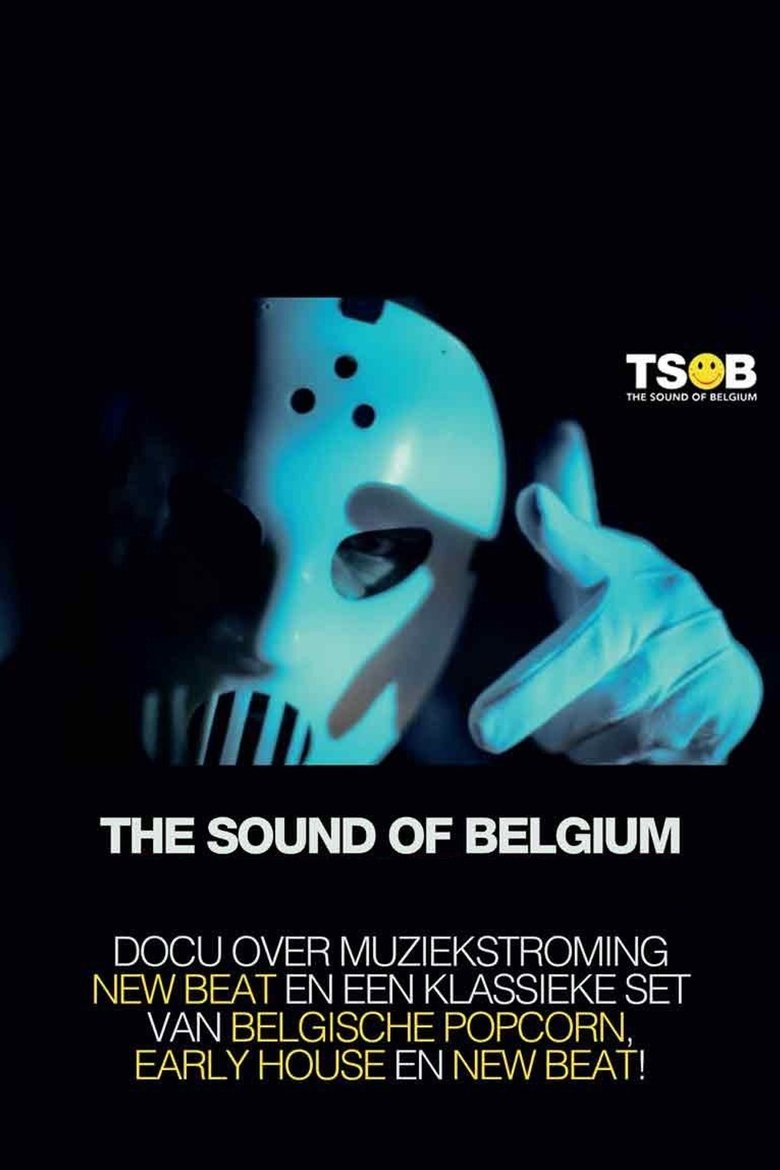
In the late 1980s, the Belgian electronic New Beat music movement conquered dance floors worldwide, and all of a sudden Belgium was on the map. This eclectic predecessor of house music appeared to materialize out of nothing, but according to the makers of The Sound of Belgium, it was the product of a historical search for identity that apparently went back to the Battle of Waterloo and the aftermath of the First World War.
Overall Score
Fair
Category Breakdown
LGBTQ+ Representation
The film explores subcultures that historically provided sanctuary for non-normative identities. While specific queer character arcs are not detailed, the movement's eclectic nature suggests an environment outside mainstream heteronormative structures.
Gender Representation
The narrative centers on the makers of the New Beat movement and technical music production. This reflects a historically male-dominated field, though the movement's social fluidity offers some nuance.
Racial & Ethnic Diversity
By linking music to the aftermath of the First World War, the film disrupts linear, celebratory views of national history. It frames Belgian identity as a complex, evolving construct.
Religious & Cultural Diversity
The documentary moves away from singular, patriotic celebrations of Belgium. It adopts a sociological lens, viewing culture as something synthesized from historical trauma and identity searches.
Disability Representation
There is no documented evidence regarding the portrayal of physical or neurodivergent disabilities within the film.
Strengths
Areas for Improvement
AI Analysis
The Sound of Belgium serves as a sociological study of how a musical movement can redefine national identity. It succeeds by connecting the electronic New Beat scene to deep-seated historical milestones like the Battle of Waterloo. The film avoids monolithic historical perspectives, instead focusing on the organic emergence of subcultures. This approach allows for a more nuanced exploration of how art can emerge from historical remnants and identity searches. However, the documentary remains somewhat neutral regarding specific social dynamics. While it touches on the complexity of Belgian identity, it lacks explicit focus on gendered power structures or individual queer narratives.
2024
1993
2022
2010
2016
1992
1998
2018
2021
2017
2006
1999
No reviews yet. Be the first to share your thoughts on this movie!
Use the rating form above to leave a star rating and optional review.