Bavel's Book
1996
No user ratings available yet
Representation score: 7.5 out of 10
Representation Score
Fair
2011
Director
Takuya Okada, Naoki Izutsu, Takahiro Miyauchi, Temari Kondo
Runtime
4 minutes
Average Rating
No ratings yetNew Showbiz Analysis
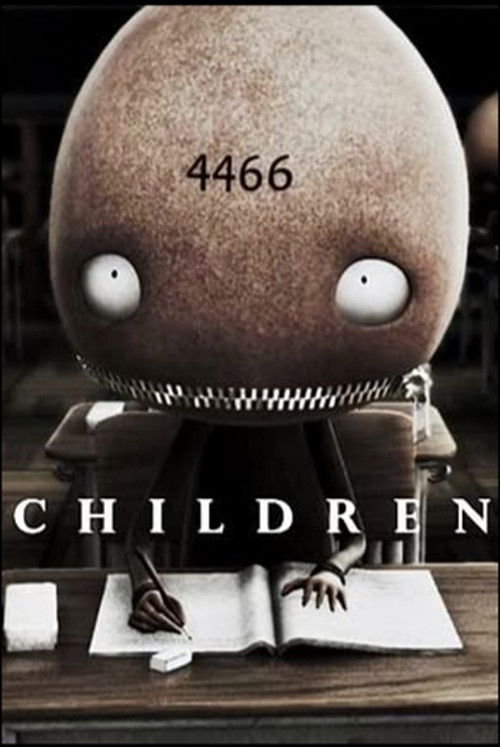
Children (2011) explores the theme of social cohesion versus individual freedom. By focusing on a conformist society, the film critiques systemic assimilation and the pressures of homogeneity. The production's collaborative and experimental nature suggests an intent to challenge commercial formulas. While the film's conceptual foundation aims to disrupt conventional social expectations, specific demographic details regarding race, gender, and orientation are not explicitly documented.
Category Breakdown
The film focuses on a society that emphasizes conformity, which likely critiques structures that assume everyone is straight or cisgender. However, there are no explicit depictions of non-cisgender identities or same-sex relationships.
Gender roles are likely portrayed as strict constructs used by society to maintain order. The film may challenge traditional hierarchies by highlighting the tension caused by these societal expectations.
The conformist setting may use a homogeneous appearance to emphasize themes of social pressure. Without visual descriptions of character designs, the presence of multi-ethnic casts remains unconfirmed.
The narrative structure inherently critiques traditional or institutionalized social structures. This thematic focus suggests a story that favors personal morality over rigid, established institutional ideals.
There is no specific evidence to suggest the presence of characters with visible or invisible disabilities within this work.
Present on Screen
Limited or Absent
Official Synopsis
A short film by Takuya Okada set in a conformist society.
1996

2018

1997

2008
2014
2014
1968
1998
No reviews yet. Be the first to share your thoughts on this movie!
Use the rating form above to leave a star rating and optional review.