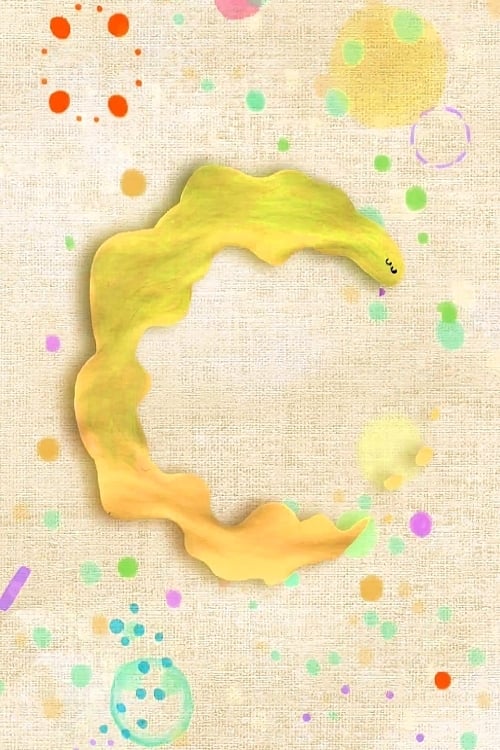
Asa
2013
No user ratings available yet
Representation score: 0.0 out of 10
No Poster Available
Representation Score
Limited
2014
Director
Kunio Kato
Runtime
1 minutes
Average Rating
No ratings yetNew Showbiz Analysis
Asa is a work where the lack of specific character-level detail makes a definitive assessment of its inclusivity difficult. The film presents a neutral profile, neither actively championing diverse identities nor displaying regressive clichés. While the animation genre often allows for diverse archetypes, this production lacks the verifiable character arcs or descriptions needed to confirm representation. The absence of LGBTQ+ and disability-related content significantly lowers the overall score. Ultimately, the film exists in a state of narrative scarcity. Without clear evidence of racial, cultural, or gendered subversion, the work remains a baseline entry in terms of social representation.
Category Breakdown
The film does not include any LGBTQ+ characters or those with non-traditional gender identities. There are no narratives addressing or challenging the assumption that everyone is straight or cisgender.
The film does not clearly show whether characters play a significant role in driving the story or challenge gender hierarchies. The lack of specific character arcs makes it hard to assess the film’s stance on gender issues.
It is unclear whether the film challenges Anglo-centric norms. The animation does not provide enough specific character descriptions to confirm racial or ethnic diversity.
The narrative does not provide evidence regarding its stance on Western institutions or secularism. It neither critiques nor reinforces specific systemic power dynamics related to religion or culture.
The film does not document any portrayal of neurodivergence or physical impairments. There are no characters with visible or invisible disabilities.
Present on Screen
Limited or Absent
2013

2017
2012

2013
1996
1998

2004
2014
No reviews yet. Be the first to share your thoughts on this movie!
Use the rating form above to leave a star rating and optional review.