Bavel's Book
1996
No user ratings available yet
Representation score: 7.5 out of 10
Representation Score
Fair
1997
Director
Katsuhiro Otomo
Runtime
2 minutes
Average Rating
No ratings yetNew Showbiz Analysis
Katsuhiro Otomo’s short film explores the psychological landscape of an individual living within a self-contained reality. The work prioritizes internal subjectivity over traditional societal hierarchies, offering a departure from standard Western narrative structures. While the film lacks explicit data regarding diverse identities or character ensembles, its thematic depth suggests a progressive intent. The focus on a singular, isolated perspective provides a platform for exploring non-traditional social dynamics. Ultimately, the film sits in a moderate range. It succeeds in moving away from Hollywood-centric norms through its aesthetic and thematic focus, even if it lacks specific, verifiable representation across all categories.
Category Breakdown
The film does not provide verified evidence of non-straight or non-cisgender identities or same-sex relationships. The narrative focuses on the subjective experience of a single individual.
The story centers on a male protagonist. While it does not explicitly challenge traditional gender hierarchies, the focus on isolation can disrupt typical patriarchal structures.
As a Japanese animation, the work operates outside Western aesthetic norms. However, there is no explicit evidence of characters reflecting multiple racial backgrounds.
The premise prioritizes individual experience over collective social or religious institutions. This focus suggests a lean toward secularism and the deconstruction of external norms.
The protagonist's isolation may serve as a metaphor for neurodivergence or psychological dissociation. This offers a potential for nuanced portrayal of mental states.
Present on Screen
Limited or Absent
Official Synopsis
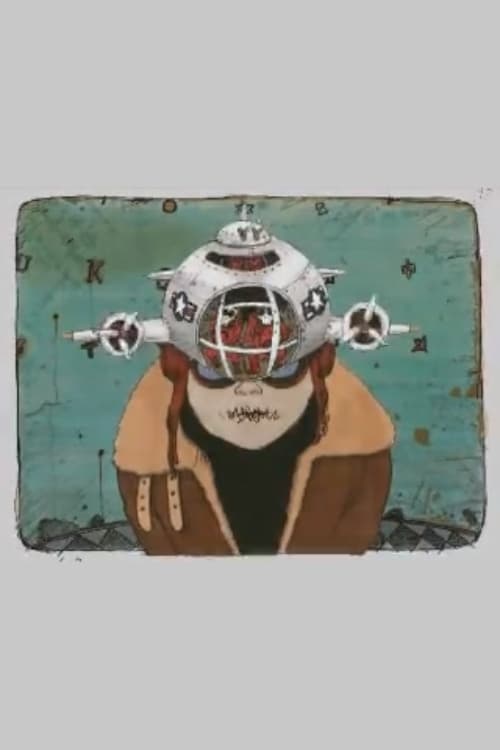
A short movie about a guy living in his own world.
1996
1985
1970
2004
1999
1998
2014
1988
No reviews yet. Be the first to share your thoughts on this movie!
Use the rating form above to leave a star rating and optional review.