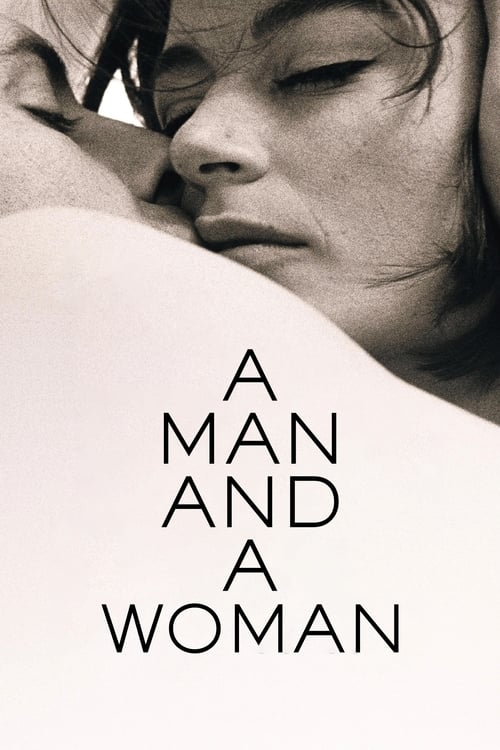
A Man and a Woman
1966
No user ratings available yet
Representation score: 4.2 out of 10

Representation Score
Limited
1972
Director
Kōichi Saitō
Runtime
88 minutes
Average Rating
No ratings yetNew Showbiz Analysis
The Rendezvous is an intimate, character-driven drama set on a train journey. Its small scale and singular setting naturally limit opportunities for broad demographic representation or systemic social critique. The film operates as a traditional romantic work, emphasizing individualist romanticism. It lacks the layered exploration or socio-political deconstruction found in more expansive, modern cinematic works. Ultimately, the film functions within a standard cultural framework for its time and place, focusing on a brief, localized love story rather than challenging established social hierarchies.
Category Breakdown
The film does not include any characters with LGBTQ identities. The story revolves around a traditional romantic relationship between a man and a woman.
A beautiful woman plays a central role in the romance. However, it is unclear whether the film challenges or follows the gender norms of its time.
Given its 1972 Japanese production, the cast likely reflects a homogeneous cultural background. There is no indication of a multi-ethnic cast.
The narrative emphasizes personal connections and emotions. It avoids direct critiques of religion, capitalism, or Western institutions.
There is no information about the inclusion of characters with visible or invisible disabilities.
Present on Screen
Limited or Absent
Official Synopsis
The brief love story of an attentive young man and a beautiful woman who meet, fall in love and part during the course of a train ride.
1966

1971

1966
1939
1957
1955

1958

1957
No reviews yet. Be the first to share your thoughts on this movie!
Use the rating form above to leave a star rating and optional review.