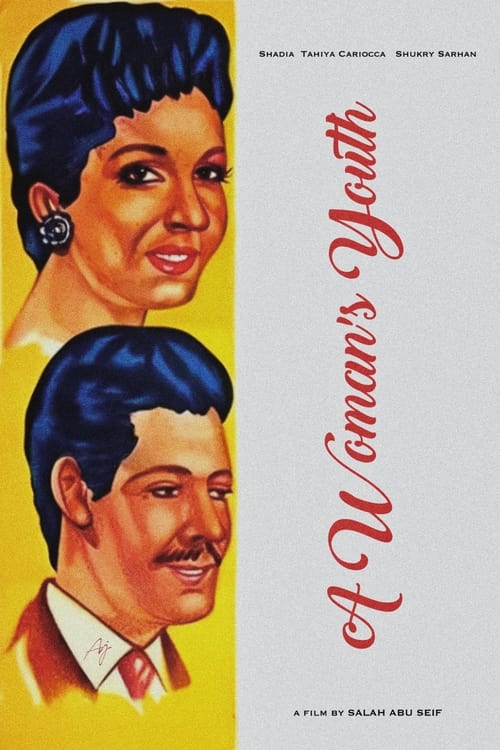
A Woman's Youth
1956
No user ratings available yet
Representation score: 3.6 out of 10
Representation Score
Fair
1967
Director
Henry Barakat
Runtime
115 minutes
Average Rating
No ratings yetNew Showbiz Analysis
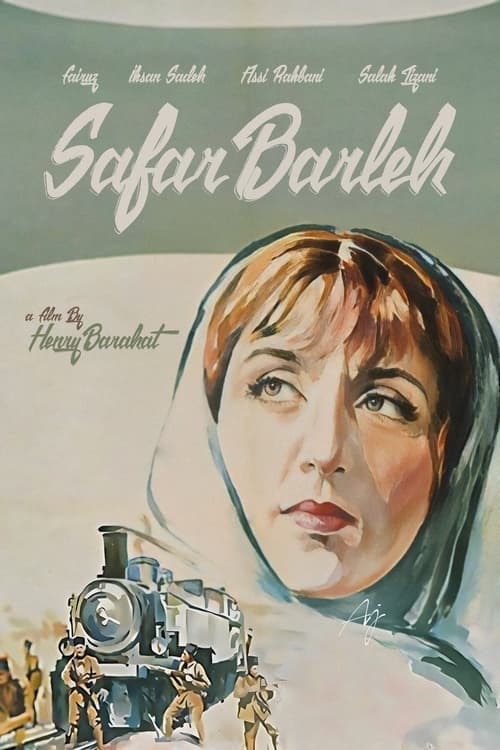
Safar Barlek is a work of social realism that emphasizes the struggle against systemic oppression. It effectively deconstructs imperial power dynamics by portraying the Ottoman state as a corrupt, external hegemon. The film showcases the ability to act of its female protagonist and the community. Instead of focusing on individual heroics, it highlights communal resistance and resource justice as key elements for survival. While the film does not include modern identity-based representations, such as LGBTQ+ or disability narratives, it provides a nuanced critique of institutional corruption and colonial authority.
Category Breakdown
The film centers around a traditional romantic relationship between Abdou and Adla. There is no indication of LGBTQ+ identities or narratives that challenge the assumption that everyone is straight or cisgender.
Adla breaks away from traditional passive female roles by taking a leading role in driving the story. She actively engages in political activities and organizes her community to secure wheat for her village.
Set during Ottoman rule in Lebanon, the film critiques imperialist dominance. It portrays the empire as an oppressive force that exploits labor and resources.
The narrative highlights anti-imperialist themes and grassroots ability to act. It depicts the Ottoman administration as a corrupt institution that uses food scarcity to suppress local resistance.
There is no evident portrayal of physical or neurodivergent disabilities in the narrative.
Present on Screen
Limited or Absent
Official Synopsis
The film is set around 1914 when Lebanon was under the Ottoman Empire rule. The empire enslaved men to work for free. Abdou goes to get Adla the engagement ring but he's arrested with others and are taken to cut lumber. Meanwhile the Ottomans prevent the wheat from arriving to certain villages because they want to defuse the ongoing resistance operations led by Abou Ahmed. Adla travels to where some say Abdou is held prisoner and she meets with Abou Ahmed. She along other villagers start helping the resistance get the wheat to the people. When they accomplish their mission, Abou Ahmed, freed Abdou and others escape because now they're wanted, but on a promise to return and to continue fighting.
1956
1960
1961

1958

1958
1982
1976
1978
No reviews yet. Be the first to share your thoughts on this movie!
Use the rating form above to leave a star rating and optional review.