
People Of The Top
1981
No user ratings available yet
Representation score: 4.3 out of 10
Representation Score
Limited
1978
Director
Ali Badrakhan
Runtime
130 minutes
Average Rating
No ratings yetNew Showbiz Analysis
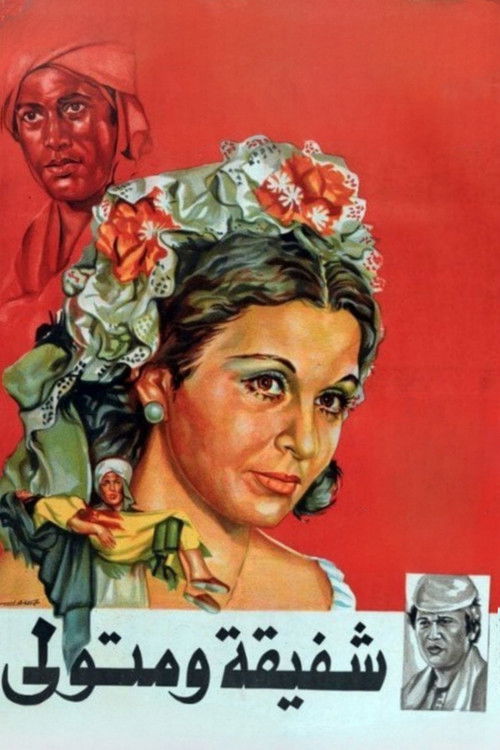
Shafiqa and Metwally is a somber character study that explores the tension between individual control and systemic oppression. The film succeeds by avoiding the romanticization of patriarchal structures, instead revealing the volatility of masculine obsession and the precariousness of women's social standing. While the work offers a nuanced critique of traditional power structures and the impact of socioeconomic pressures, it lacks modern multi-layered markers. The narrative remains centered on destructive romantic dynamics within a specific historical context. Ultimately, the film's strength lies in its deconstruction of social hierarchies. It highlights the systemic vulnerabilities of women and the corruption of local authority, even though it lacks representation for LGBTQ+ or disabled communities.
Category Breakdown
The film adheres to a traditional 1970s cinematic framework and does not include narratives or identities related to LGBTQ+ experiences.
The narrative focuses on Shafiqa's struggle for control amidst exploitation. It challenges the 'protector' husband cliché by showing Metwally's destructive obsession.
The film features a homogeneous Arab cast consistent with its Egyptian setting. It maintains cultural authenticity without using multi-ethnic casting.
The story critiques the breakdown of the family unit and corrupt local authority. It highlights how socioeconomic pressures force individuals into survivalist roles.
There is no representation of physical, sensory, or neurodivergent disabilities within the main storyline.
Present on Screen
Limited or Absent
Official Synopsis
The authorities summon many young men for forced labor in the Suez Canal, so Metwally leaves his sister Shafiqa alone with their old grandfather, whereupon Shafiqa is forced to succumb to the temptations of Diab, the district chief's son. As their sinful relationship is revealed, she is forced to leave for Asyut, where she becomes the mistress of Al Tarabishi, the supplier of slaves.
1981

1958

1966
1967

1969

1975

1970
1993
No reviews yet. Be the first to share your thoughts on this movie!
Use the rating form above to leave a star rating and optional review.