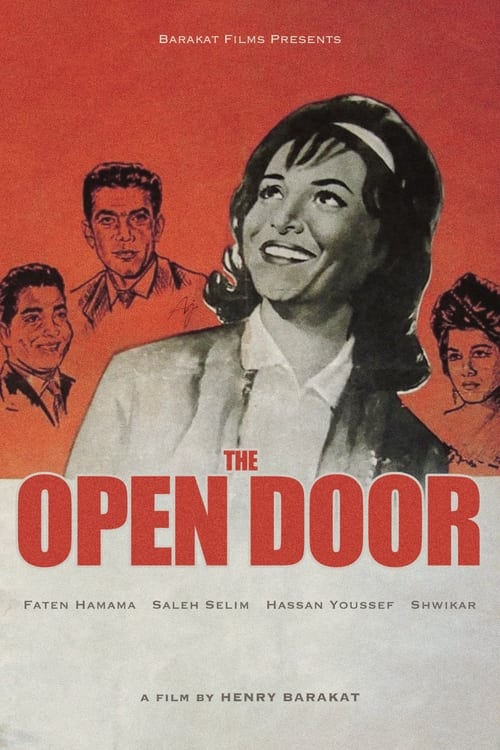
The Open Door
1963
No user ratings available yet
Representation score: 6.6 out of 10

Representation Score
Fair
1961
Director
Henry Barakat
Runtime
153 minutes
Average Rating
No ratings yetNew Showbiz Analysis
A Man in Our House is a politically charged drama that frames anti-colonial resistance as a moral imperative. It effectively counters Western-centric clichés by emphasizing the ability to act of the indigenous population against systemic oppression. While the film adheres to the era's social constraints regarding sexuality, it provides a sophisticated critique of global power hierarchies. The narrative successfully connects private domestic life with the volatility of political revolution. Ultimately, the film's strength lies in its cultural defiance, using the protagonist's rebellion to challenge the status quo of Western-aligned political institutions.
Category Breakdown
The film follows mid-century norms, focusing on heterosexual romance and traditional family structures. There are no queer narratives or non-binary gender identities present.
Women play key roles in challenging traditional hierarchies by participating strategically in the resistance. Samia rejects an arranged marriage, while Nawal serves as a crucial liaison for the revolutionaries.
The story centers on indigenous people reclaiming their national identity against Western influence. It highlights the struggle against a pro-colonial Prime Minister to regain control over their nation.
The narrative is grounded in anti-imperialist sentiments. It emphasizes revolutionary morality and collective national identity over the legalistic frameworks imposed by the colonial state.
No visible or invisible disabilities are portrayed as central to the character arcs or the plot progression.
Present on Screen
Limited or Absent
Official Synopsis
Rebel Ibrahim Hamdy assassinates a pro-colonial Prime Minister but is arrested and hides with a fellow university student, who initially refuses but eventually accepts him. Abdul Hamid Khatib meets Samia and her cousin, and Ibrahim uses the situation to hasten Samia’s marriage, which she rejects. Nawal, the youngest daughter, becomes the liaison between Ibrahim and his colleagues, helping him escape. Abdul Hamid tries to inform the political police of Ibrahim’s location, but Samia stops him. The head of the political police suspects them and punishes them to find Ibrahim. Ibrahim refuses to leave the country, returning to fight colonialism and participating in an operation.
1963

1954
1957
1967

1939
1996

2022

1963
No reviews yet. Be the first to share your thoughts on this movie!
Use the rating form above to leave a star rating and optional review.