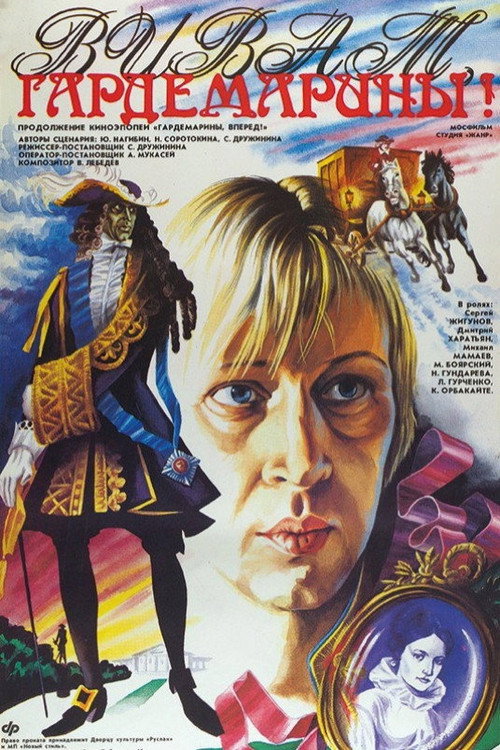
Vivat, Naval Cadets!
1991
No user ratings available yet
Representation score: 5.0 out of 10
Representation Score
Limited
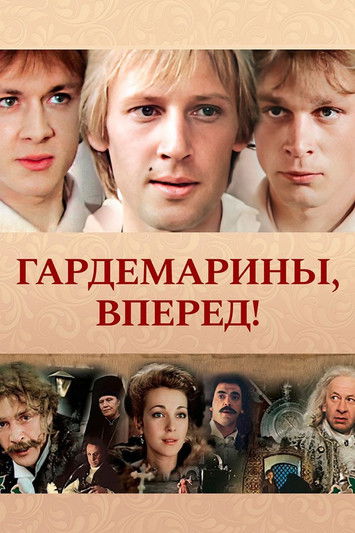
1988
Director
Svetlana Druzhinina
Runtime
290 minutes
Average Rating
No ratings yetNew Showbiz Analysis
Naval Cadets, Charge! is a traditional historical adventure that emphasizes classic storytelling and nationalistic themes. Its narrative structure is rooted in established social hierarchies and conventional ideas of duty and honor. While the film offers a spirited look at youthful ability to act, it does not aim to challenge or subvert the cultural norms of its setting. Instead, it serves as a celebration of institutional loyalty and traditional character types. Ultimately, the film’s portrayal is shaped by its adherence to the historical and social norms of the Russian Empire, resulting in a predominantly traditionalist approach.
Category Breakdown
The film adheres to traditional adventure themes focused on heterosexual relationships. It does not include any non-binary gender identities or same-sex intimacy, concentrating instead on male friendships and traditional romances.
Male naval cadets dominate leadership roles. However, female characters play key roles in the central conflict, avoiding a purely patriarchal structure by engaging with the political stakes of the story.
The cast mirrors the demographic uniformity of the Russian Empire during this time. The narrative centers on internal political tensions without altering the ethnic status quo of the period.
The story highlights patriotism and the safeguarding of state secrets. It upholds the virtues of duty and loyalty to the state, emphasizing the significance of national security and institutional stability.
There are no significant portrayals of physical or neurodivergent disabilities. Characters are depicted as able-bodied individuals taking action, which aligns with the demands of the adventure genre.
Present on Screen
Limited or Absent
Official Synopsis
Three naval cadets accidentally get possession of a secret diary that was stolen from Bestuzhev, a vice-chancellor of Russia. If this diary ever gets abroad, the consequences for the country would be grave. The cadets are trying to return the papers to their owner, but there are others who want to get the papers...
1991

1990
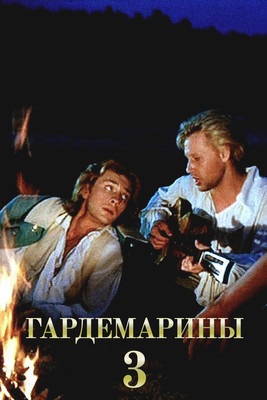
1992

2015

2007
2012
1961

1974
No reviews yet. Be the first to share your thoughts on this movie!
Use the rating form above to leave a star rating and optional review.