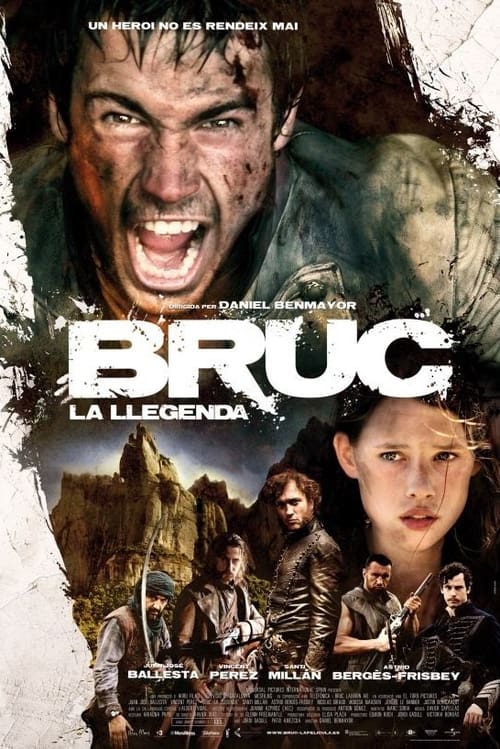
Bruc: The Manhunt
2010
No user ratings available yet
Representation score: 3.4 out of 10
Representation Score
Limited
2012
Director
Oleg Fesenko
Runtime
96 minutes
Average Rating
No ratings yetNew Showbiz Analysis
The film is a traditional historical adventure that prioritizes nationalistic themes and conventional social hierarchies. It follows the standard clichés of period dramas, focusing on military brotherhood and the defense of the state during the Napoleonic Wars. While the film includes ethnic diversity through the presence of various imperial officers, it lacks representation of women, LGBTQ+ individuals, or characters with disabilities. The narrative structure reinforces the status quo of the 19th-century military era rather than challenging it. Ultimately, the work serves as a celebration of historical heroism and patriotism, offering a narrow view of the social landscape of the time.
Category Breakdown
The film focuses on military camaraderie and historical conflict. There is no depiction of non-straight or non-cisgender identities, reinforcing traditional 19th-century social hierarchies.
The narrative centers on a male-dominated military environment. Male characters like Alexey Tarusov and General Kutuzov drive the story, with no significant female roles.
The setting allows for ethnic variety within the Russian Imperial framework. Characters like Prince Kiknadze suggest the inclusion of diverse identities, such as Georgian or Caucasian nobility.
The story emphasizes patriotism, military duty, and national identity. It functions as a celebration of historical heroism rather than a critique of systemic power or Western institutions.
There is no information regarding the portrayal of physical or neurodivergent disabilities in this production.
Present on Screen
Limited or Absent
Official Synopsis
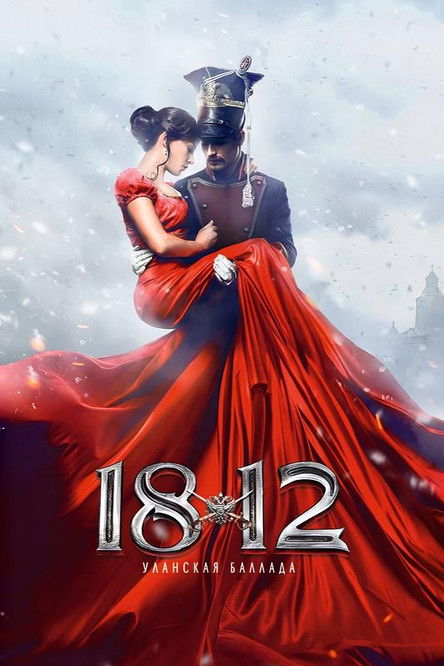
The Year is 1812. On the eve of the decisive battle of Borodino, Napoleon's secret agent steals a Russian battle plan. This fact is known to General Kutuzov (Head of Russian forces), thanks to a young nobleman Alexey Tarusov. Tarusov joint to the the regiment of Russian lancers, and finds new friends like Lieutenant Gorzhevsky, Prince Kiknadze and Sergeant Ptukha. After the terrible battle of Borodino, they fall into many unexpected adventures...
2010
1970
1961
2015
1958
1968
1959
1994
No reviews yet. Be the first to share your thoughts on this movie!
Use the rating form above to leave a star rating and optional review.