
Summer
2014
No user ratings available yet
Representation score: 4.6 out of 10
Representation Score
Limited
2007
Director
Joost Wynant
Runtime
95 minutes
Average Rating
No ratings yetNew Showbiz Analysis
The Last Summer is a period-specific coming-of-age drama that prioritizes regional realism over social subversion. It adheres to traditional genre clichés, focusing on the psychological development of a small, homogeneous group of boys in 1996 Flanders. The film's narrative structure relies on conventional social dynamics. It functions as a localized exploration of youth rather than a platform for diverse identities or the disruption of established hierarchies. Because the setting is a small village, the cast reflects a specific, limited demographic. This results in a lack of racial, LGBTQ+, or disability-related representation within the story.
Category Breakdown
The film focuses on heterosexual dynamics and a fascination with a female character. There is no visible queer presence or critique of heterosexuality within the narrative.
The story centers on a male peer group where men's control over the story drives the plot. The female character serves primarily as a mysterious catalyst for tension rather than challenging traditional gender roles.
Set in a small Flemish village in 1996, the film reflects a demographic homogeneity. The narrative prioritizes regional authenticity over multicultural or layered representation.
The film explores themes of lost innocence and reckless behavior through a subjective lens. It lacks overt systemic critique or explicit promotion of non-Western perspectives.
There is no information regarding the inclusion of characters with physical, neurodivergent, or mental health disabilities.
Present on Screen
Limited or Absent
Official Synopsis
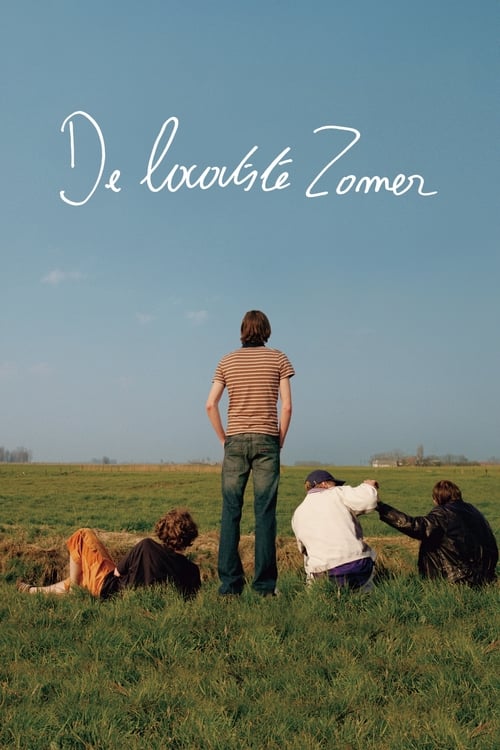
Four good friends, all seventeen-year old, lose their innocence during their last summer together. Flanders 1996. Rik, Tim, Roel and Bart aimlessly wile away the summer days in a small village where nothing exciting ever happens. When Rik becomes fascinated by the mysterious Sandrine, the boy's friendship comes under increasing pressure. Their reckless behaviour lands the boys in a web of intrigue, which they have a hard time escaping from.
2014

2016

2001

2023

2001

2005
2018
2018
No reviews yet. Be the first to share your thoughts on this movie!
Use the rating form above to leave a star rating and optional review.