
Darkness Rising
2017
No user ratings available yet
Representation score: 3.0 out of 10
Representation Score
Limited
1979
RDirector
Joseph Ellison
Runtime
82 minutes
Average Rating
No ratings yetNew Showbiz Analysis
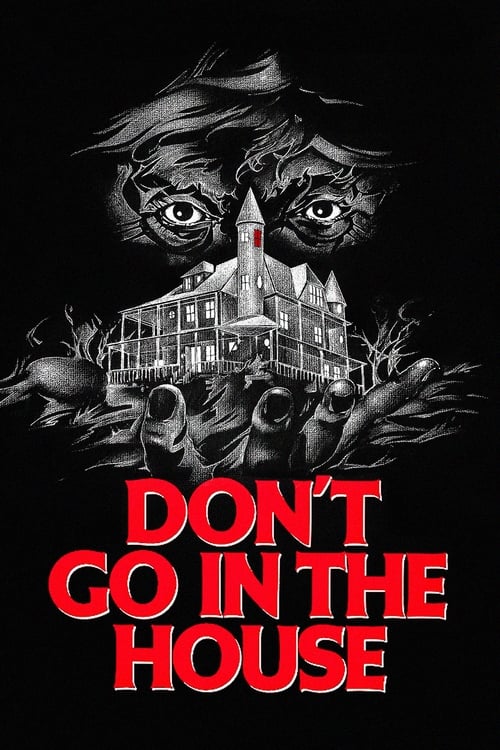
Don't Go in the House is a product of late-70s slasher conventions, focusing on genre-standard clichés over social nuance. The narrative emphasizes the victimization of women and uses psychological instability as a shorthand for villainy. The film lacks meaningful representation across nearly all categories, adhering to the homogeneous and narrow casting patterns common in low-budget horror of its era. It focuses on individual trauma rather than broader cultural or systemic critiques.
Category Breakdown
The film does not include any LGBTQ+ characters or stories about non-cisgender identities. The plot revolves around a male antagonist and his female victims.
Women are portrayed mainly as passive victims of violence within a traditional gender hierarchy. The story centers on a male character exerting lethal control over female characters.
There is no indication of a diverse cast or inclusion of non-white characters. The film follows the homogeneous casting practices typical of 1970s low-budget horror.
While examining domestic dysfunction and trauma, the film does not critically address Western institutions. It focuses on individual issues rather than broader structural problems.
Psychological instability is used as a standard reason for villainous behavior. There is no nuanced portrayal of neurodivergence or giving characters with mental health issues more depth.
Present on Screen
Limited or Absent
Official Synopsis
As a child, Donald was tormented by his mother who used fire as a punishment. Now a deranged adult, Donald stalks women at clubs, then takes them home where he kills them with a flamethrower.
2017
1977

1970

1981
1975

1980
1988
1935
No reviews yet. Be the first to share your thoughts on this movie!
Use the rating form above to leave a star rating and optional review.