Fear of Clowns 2
2007
No user ratings available yet
Diversity score: 2.5 out of 10
1982
RDirector
Gary Graver
Runtime
91 minutes
Average Rating
No ratings yetSynopsis
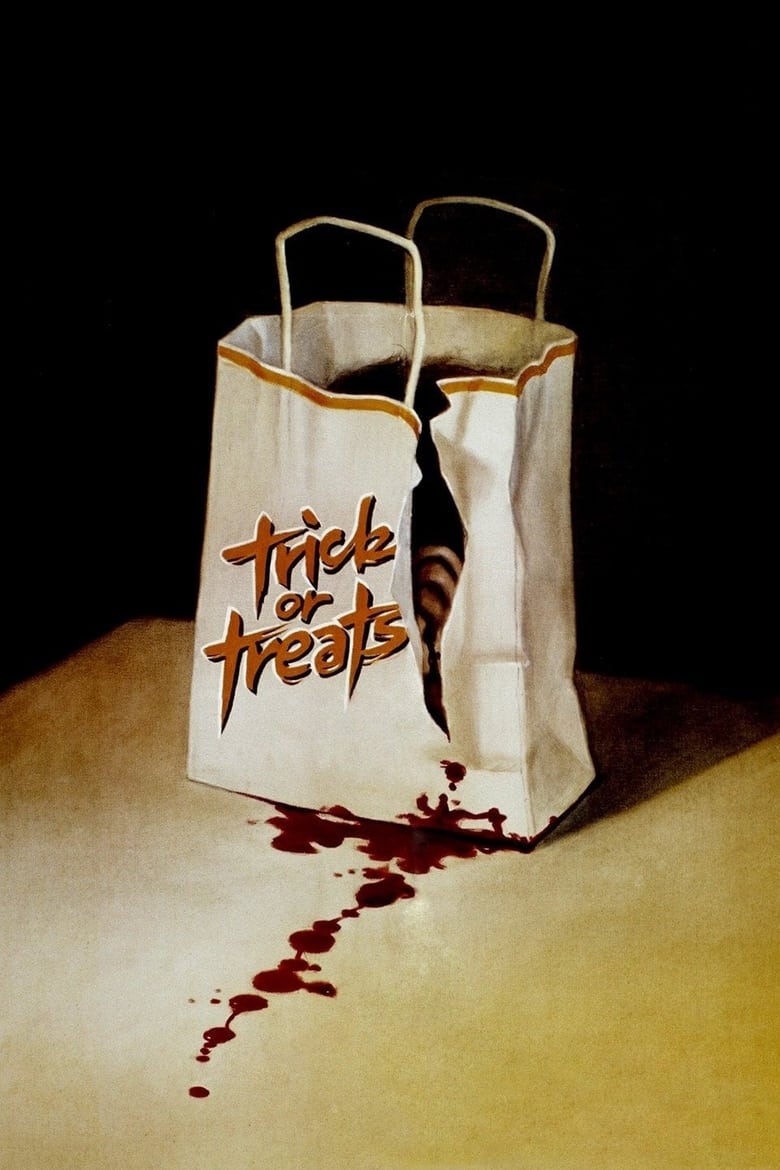
A baby sitter is stuck watching over a young brat on Halloween night who keeps playing vicious pranks on her. To add to her trouble the boy's deranged father has escaped from an asylum and is planning on making a visit.
Overall Score
Limited
Category Breakdown
LGBTQ+ Representation
The film lacks visibility for non-cisnormative identities. The narrative focuses on a traditional domestic horror setup that follows conventional genre tropes of the era.
Gender Representation
The story relies on a vulnerable caregiver archetype. While the female protagonist shows resilience, the power dynamics reinforce traditional gendered vulnerability against male aggression.
Racial & Ethnic Diversity
There is no indication of a diverse cast or non-Anglo-Saxon characters. The production appears to adhere to the homogeneous casting standards common in 1980s horror.
Religious & Cultural Diversity
The film operates within a standard Western horror framework. It utilizes common tropes like family dysfunction without offering systemic critiques or challenging Western cinematic traditions.
Disability Representation
Mental health status is used as a plot device via an escaped asylum inmate. This risks using neurodivergence as shorthand for villainy rather than providing nuanced agency.
Strengths
Areas for Improvement
AI Analysis
Trick or Treats is a conventional 1980s horror piece that prioritizes established genre tropes over social complexity. The narrative architecture reinforces traditional power dynamics rather than disrupting them. The film's reliance on archetypes—such as the vulnerable babysitter and the deranged male antagonist—limits its depth regarding gender and identity. It functions as a standard suspense thriller of its period. Ultimately, the work lacks intersectional representation, focusing instead on a homogeneous cast and predictable character roles that align with the low-budget exploitation cinema of the era.
2007
1980
1983
1971

1987

2006

1992
2006
1981

2011
1992
1989
No reviews yet. Be the first to share your thoughts on this movie!
Use the rating form above to leave a star rating and optional review.