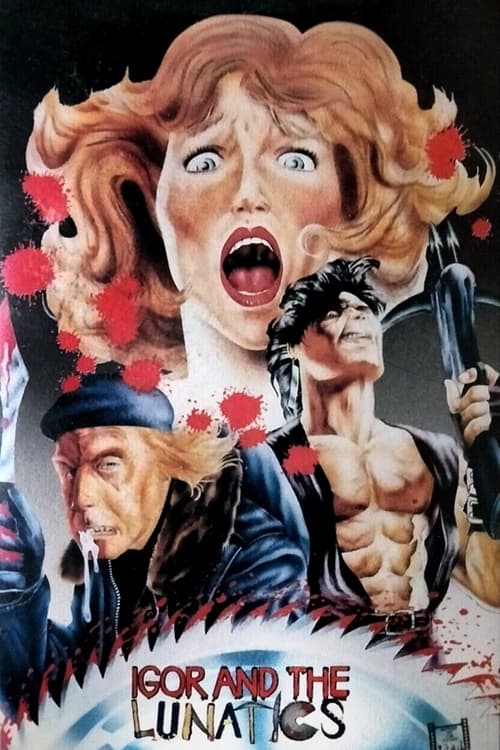
Igor and the Lunatics
1985
No user ratings available yet
Representation score: 0.6 out of 10
Representation Score
Minimal
1977
RDirector
Roger Watkins
Runtime
78 minutes
Average Rating
No ratings yetNew Showbiz Analysis
The Fun House is a product of 1970s exploitation cinema, focusing on visceral fear rather than social complexity. Its narrative structure depends on well-known genre clichés that emphasize nihilism and survival over addressing diverse identities. The film does not aim to represent diverse groups, reflecting the limited demographic focus of its era. It serves as a study of isolation rather than a platform for social commentary or challenging hierarchies. Overall, the film stays within traditional social frameworks, offering little disruption in terms of culture or identity.
Category Breakdown
The film does not include any LGBTQ+ characters or show same-sex relationships. It follows the social norms of the 1970s without featuring queer identities.
Gender roles stick to typical slasher movie stereotypes and survivalist themes. The film doesn't challenge traditional masculinity or highlight women's intelligence.
The cast lacks significant racial or ethnic diversity. The story focuses on a narrow demographic typical of independent horror films from this time period.
The film examines social collapse and disillusionment through a cynical viewpoint. This pessimism comes from genre clichés rather than a critical look at institutions.
The film does not feature any characters with visible or invisible disabilities. It does not address neurodivergence or physical disabilities as part of the story.
Present on Screen
Limited or Absent
Official Synopsis
After being released from prison, a young gangster with a chip on his shoulder decides to punish society by making snuff films.
1985

1983
1993
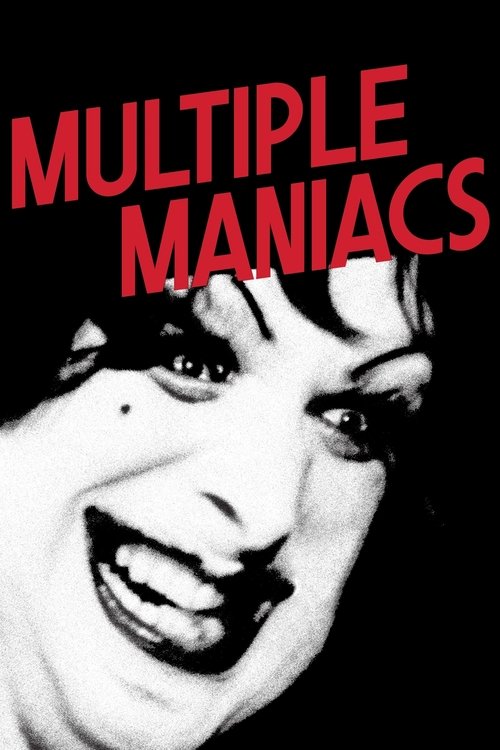
1970
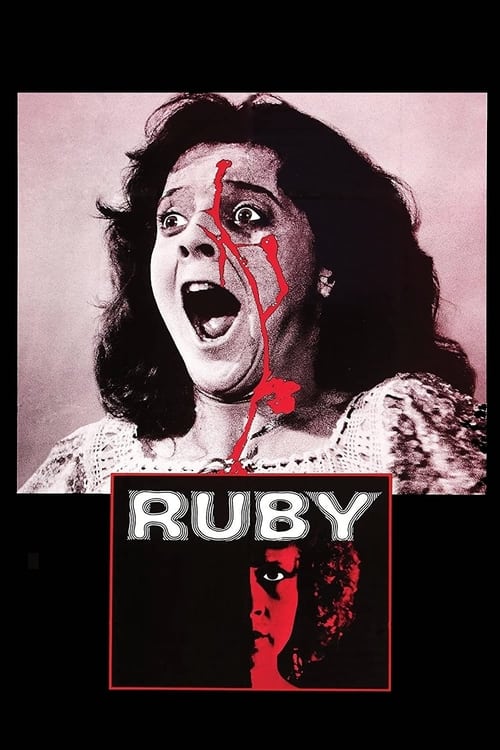
1977

2010
1974
1978
No reviews yet. Be the first to share your thoughts on this movie!
Use the rating form above to leave a star rating and optional review.