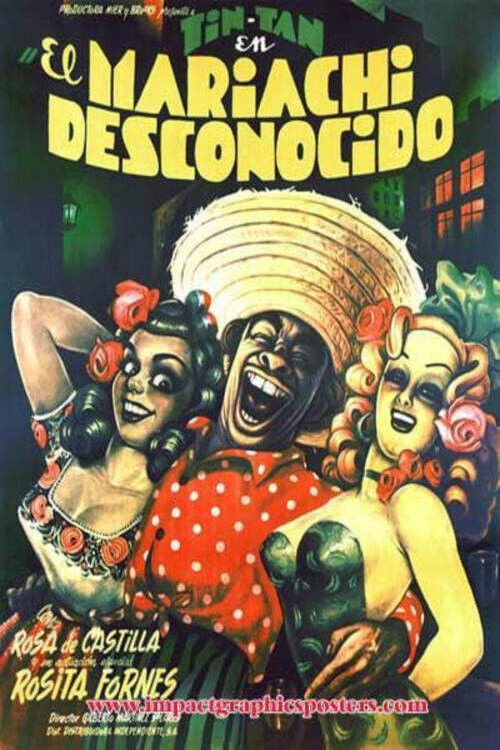
El mariachi desconocido
1953
No user ratings available yet
Representation score: 2.5 out of 10
Representation Score
Fair
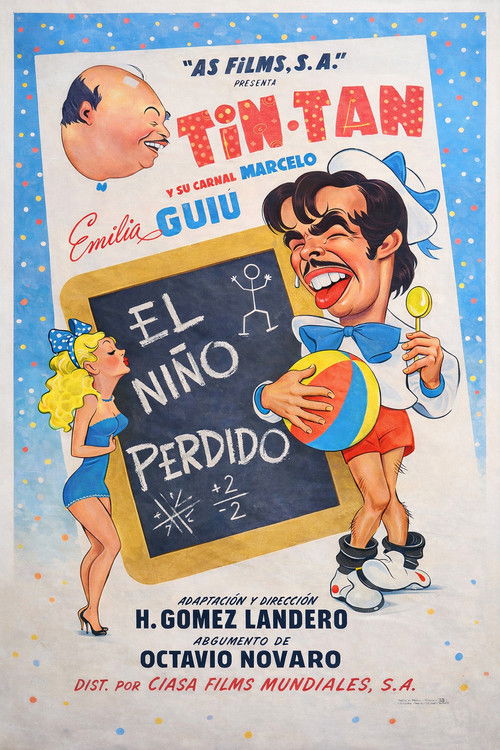
1947
Director
Humberto Gómez Landero
Runtime
110 minutes
Average Rating
No ratings yetNew Showbiz Analysis
El niño perdido is a comedic exploration of musical fusion and absurdity. It successfully creates a cosmopolitan atmosphere by blending various Latin American and American musical traditions, moving beyond rigid nationalist boundaries. However, the film remains rooted in traditional gender dynamics. The emphasis on male camaraderie and musical duets leaves little room for women's ability to drive the story or diverse gender expressions. Ultimately, the film's strength lies in its cultural plurality and its ability to challenge serious cinematic clichés through humor, even if its social representation remains limited by its historical context.
Category Breakdown
The film does not include any explicit LGBTQ+ characters or stories. The close friendship between characters is described as a deep, physical bond, but there is no indication of non-straight relationships.
The movie focuses on masculine performances and humorous interactions between men. While it uses humor to challenge traditional masculinity, there is a noticeable absence of strong female roles or diverse gender expressions.
The film celebrates a broad Latin identity by blending musical traditions from America, Cuba, and Argentina. This creates a cosmopolitan atmosphere that goes beyond a single national identity.
The film excels in cultural fluidity, using parodies of musical icons and hybrid musical styles. It avoids rigid cultural stereotypes and instead opts for a playful deconstruction of these clichés.
There is no mention of characters with visible or invisible disabilities in the provided narrative context.
Present on Screen
Limited or Absent
Official Synopsis
If you survive the first half with his delicious absurdity, your reward is the second half, on the scenes when he teams up with his "carnal" Marcelo singing American, Cuban and Argentinian music, but ending with a very Mexican serenade. If you ever saw Jorge Negrete singing in a movie you'll laugh to tears when Tin Tan sings. And with the lighting effects, you can see actual flashes of Jorge Negrete until you hear him singing.
1953
1949
1989
1949

1965
1963

1955
1957
No reviews yet. Be the first to share your thoughts on this movie!
Use the rating form above to leave a star rating and optional review.