The Great White Hope
1970
No user ratings available yet
Representation score: 3.9 out of 10
Representation Score
Limited
1953
ApprovedDirector
Robert Gordon
Runtime
88 minutes
Average Rating
No ratings yetNew Showbiz Analysis
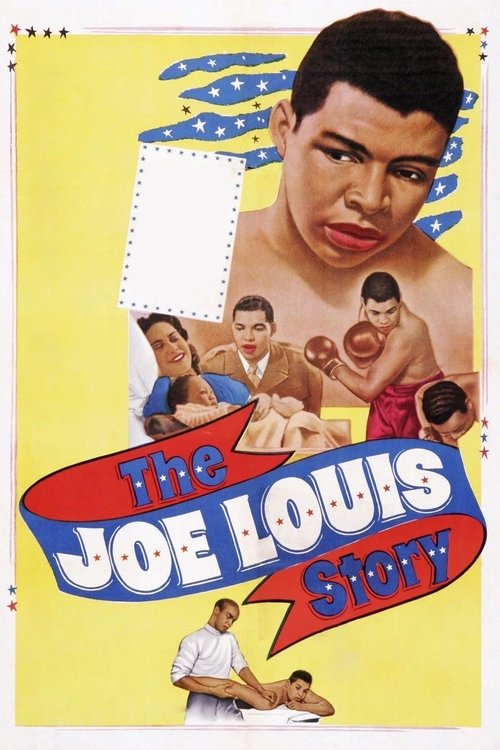
This film serves as a significant historical document by centering a Black protagonist during an era of limited mainstream representation. It explores Joe Louis's battles against systemic racism, offering a meaningful look at racial identity and prejudice. However, the film remains deeply rooted in the social and cinematic norms of 1953. It upholds traditional gender hierarchies and celebrates individual merit within existing social structures rather than challenging them. Ultimately, the work functions as a study of personal resilience within a traditional framework. While it acknowledges racial pressures, it does not question the era's conventional views on gender or cultural achievement.
Category Breakdown
The film centers on the world of professional boxing, which is portrayed as hyper-masculine. There are no LGBTQ+ narratives or non-cisgender identities present in the story.
The narrative focuses primarily on the male protagonist's physical abilities. Women are depicted in supportive or domestic roles, reinforcing traditional mid-century gender roles.
The film features a Black protagonist in a leading role, which was uncommon for its time. It highlights Louis's struggles with systemic racism, providing a meaningful exploration of racial identity and prejudice.
Success is framed through the lens of the American Dream and individual effort. The film emphasizes personal resilience and hard work rather than critiquing the broader societal institutions.
There are no prominent depictions of physical or neurodivergent disabilities that serve as central character traits or drive the narrative.
Present on Screen
Limited or Absent
Official Synopsis
The life and career of Heavyweight Champion Joe Louis, who held the title for 12 years--longer than any other boxer in history--and who had to not only battle opponents inside the ring and racism outside it.
1970
1947
1945

1963
1977
1956
1938
1956
No reviews yet. Be the first to share your thoughts on this movie!
Use the rating form above to leave a star rating and optional review.