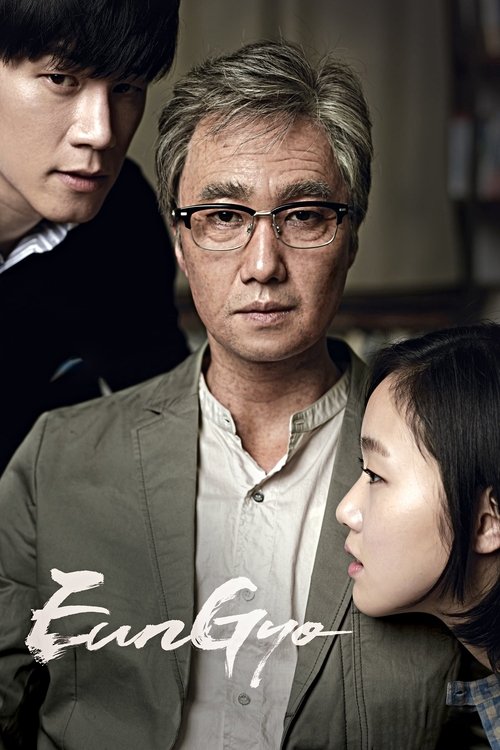
Eungyo
2012
No user ratings available yet
Representation score: 5.0 out of 10
Representation Score
Limited
2010
Director
Hong Seok-ku
Runtime
70 minutes
Average Rating
No ratings yetNew Showbiz Analysis
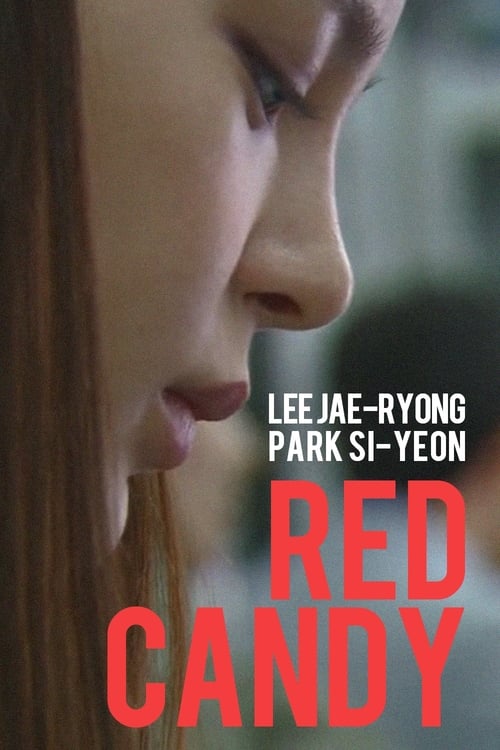
Red Candy operates within conventional romantic and social frameworks. The story follows a middle-aged man's infatuation with a younger woman, adhering to traditional romantic formulas rather than challenging them. While the film provides cultural variety as a South Korean production, it lacks depth in representing multiple aspects of identity. The narrative focus remains on individualistic romantic pursuits rather than broader social or identity-based critiques. Ultimately, the film lacks documented evidence of intentional diversity or prioritizing underrepresented identities, resulting in a standard, non-subversive narrative structure.
Category Breakdown
The film centers on a heterosexual relationship and does not include any non-straight or non-cisgender identities or critiques of the assumption that everyone is straight or cisgender.
Gender roles in the film follow traditional hierarchies. The male lead is portrayed as professionally burned out, while the female lead is introduced through a voyeuristic lens.
As a South Korean production, the film offers a non-Western perspective. It provides a baseline of cultural diversity by operating outside of Anglo-centric storytelling.
The plot centers on individual romantic obsession and personal desire. It does not explicitly address broader societal pressures related to capitalism or family structures.
The narrative does not provide any information about characters with visible or invisible disabilities.
Present on Screen
Limited or Absent
Official Synopsis
Jae-Bak is a 40'ish man who has become burned out by work and his family. He works as a sales manager for a publishing company. The highlight of Jae-Baek's day is now when he steals a glance at beautiful young Yu-Hee every morning as she stands waiting for the subway, while sucking a red lollipop. For the next 100 days, Jae-Baek watches Yu-Hee and then finally meets Yu-Hee. At a bookstore, Jae-Baek meets Yu-Hee. Jae-Baek follows Yu-Hee to her home.
2012
2009
1995

2017
2006
2010

1988

2021
No reviews yet. Be the first to share your thoughts on this movie!
Use the rating form above to leave a star rating and optional review.