
I Am a Sex Addict
2006
No user ratings available yet
Representation score: 5.8 out of 10
Representation Score
Fair
1994
Director
Jan Bucquoy
Runtime
85 minutes
Average Rating
No ratings yetNew Showbiz Analysis
Jan Bucquoy’s semi-autobiographical work deconstructs traditional social norms by focusing on personal, non-conformist experiences. Through the protagonist's journey, the film explores subjective morality and individual liberation while rejecting capitalist structures. However, the film lacks significant multi-layered depth, maintaining a focus on a homogeneous European setting and a male-centric perspective.
Category Breakdown
The film features a significant moment of non-traditional intimacy between two male figures, challenging the typical heterosexual storyline in coming-of-age narratives.
Women are portrayed as active participants in the story, contributing knowledge and experience rather than being passive objects. However, the narrative remains focused on the male protagonist's viewpoint.
The film depicts a predominantly homogeneous European social environment, with no evident representation of diverse ethnic groups in the main character arcs.
The film challenges traditional Western institutions by emphasizing themes of anarchism and secularism, favoring bohemian lifestyles and individualistic rebellion over religious or patriotic structures.
There is no specific evidence regarding the portrayal of visible or invisible disabilities within the film's context.
Present on Screen
Limited or Absent
Official Synopsis
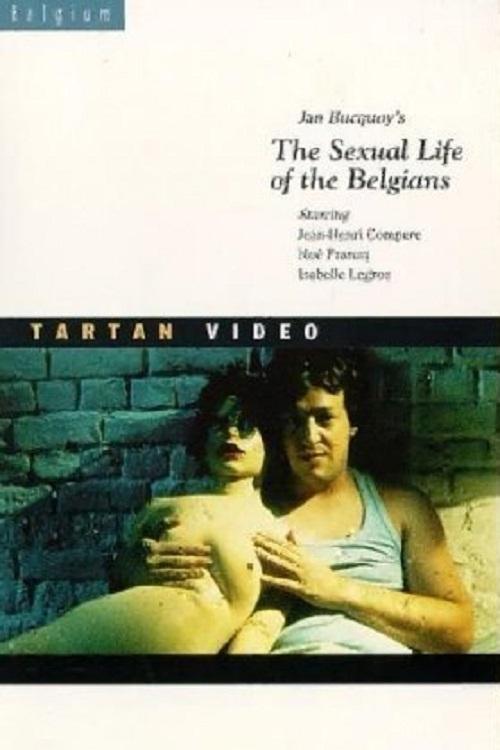
Jan Bucquoy narrates the story of his sexual life to age 28, imagining his conception (parents drunk, the encounter lasting ten seconds) and reporting his first orgasm (at the hands of Eddy, in a beach-side caravan, as they watch Laurel and Hardy), his comparative experiences with girls, and his move from Harelbeck to Brussels. There he meets Greta, bartender at a Bohemian cafe, who teaches him the Kama Sutra, the naked Esther, who reads him stories, and Thérèse, his wife for three years. They split after two children; he moves to a small flat, writes pornography to pay the bills, works sporadically on a novel, espouses anarchism, and meets more women. His self-confidence grows.
2006

1977

1981

1995

2001

2014
1997
1974
No reviews yet. Be the first to share your thoughts on this movie!
Use the rating form above to leave a star rating and optional review.