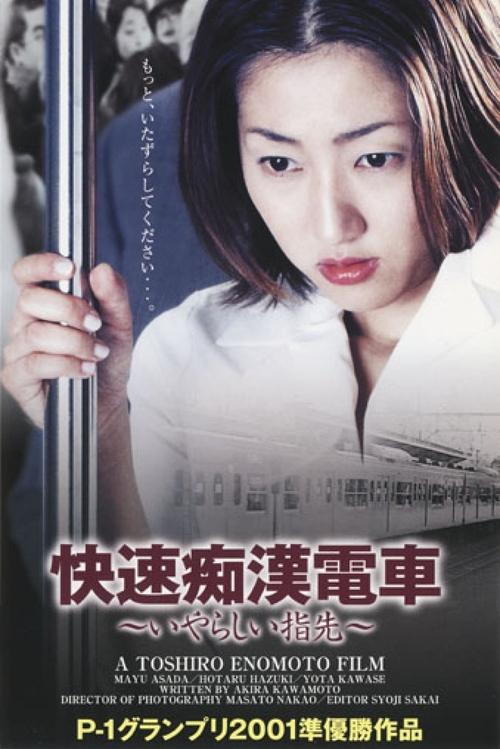
Dirty Scoundrels
2001
No user ratings available yet
Representation score: 1.3 out of 10

Representation Score
Fair
2010
Director
Shoichiro Masumoto
Runtime
75 minutes
Average Rating
No ratings yetNew Showbiz Analysis
Any And Every Which Way is a character-driven film that focuses on individual transgression. It presents a female protagonist who play a significant role in driving the story who operates outside traditional domesticity and legal structures. However, the narrative lacks depth in reflecting multiple aspects of identity. The focus remains on a localized Japanese context with a homogeneous cast, missing opportunities for broader demographic representation. Ultimately, while the film challenges certain social norms through its anti-establishment themes, it relies on established gendered clichés and lacks specific identity-based complexity.
Category Breakdown
The film features an unconventional relationship between a driver and her customer, but it doesn't explicitly address queer identities or challenge the assumption that everyone is straight or cisgender.
Momoko shows a significant role in driving the story by navigating an illegal lifestyle and evading authority. She disrupts passive feminine archetypes, but the plot relies on familiar gendered clichés.
The production features a homogeneous Japanese cast. There is no evidence of ethnic blending or a diverse ensemble within the localized social context.
The narrative centers on individualistic rebellion against social conformity. By focusing on a fugitive, the film critiques standard societal and economic expectations.
There is no mention of characters dealing with physical, neurodivergent, or mental health conditions.
Present on Screen
Limited or Absent
Official Synopsis
Sexy Momoko turns tricks in her taxi to boost business, until she's finally discovered by her employer. Running from the authorities, Momoko abandons her cab to begin life as a fugitive, accompanied by her most recent customer.
2001
1999
1978
2019

2019

2010

1999

2011
No reviews yet. Be the first to share your thoughts on this movie!
Use the rating form above to leave a star rating and optional review.