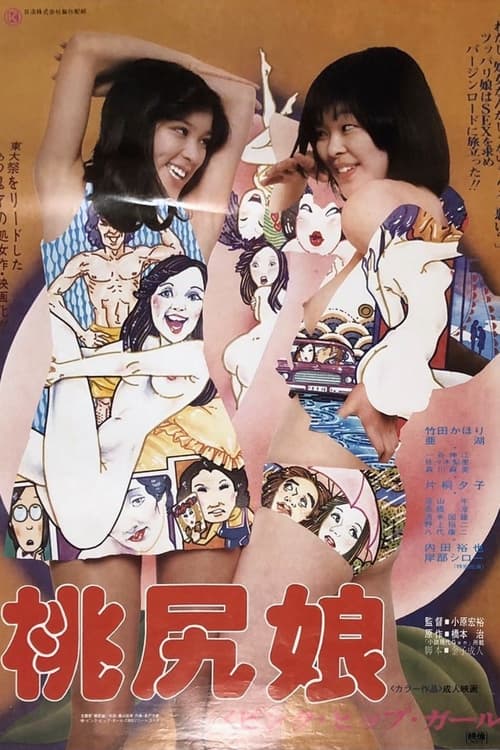
Pink Tush Girl
1978
No user ratings available yet
Representation score: 5.3 out of 10
Representation Score
Fair
1983
Director
Yoshimitsu Morita
Runtime
68 minutes
Average Rating
No ratings yetNew Showbiz Analysis
Yoshimitsu Morita’s direction seems to explore postmodern themes, challenging traditional norms and examining fluid human relationships. The film stands out by disrupting conventional professional hierarchies through female leadership. However, the narrative remains conventional in its portrayal of romance and ethnicity. While it questions established norms, it does not explicitly address LGBTQ+ identities or multicultural representation. Overall, the film emphasizes individual pursuit over societal norms, even though it maintains a culturally homogeneous framework.
Category Breakdown
The story focuses on a heterosexual relationship between Mami and Akira. There are no clear representations of LGBTQ+ identities or non-cisgender characters in the narrative.
Mami is a central female entrepreneur who runs her own business. Her economic independence challenges traditional male-dominated structures by influencing the male protagonist.
The cast appears ethnically uniform, reflecting the typical cultural context of its time without highlighting diverse backgrounds.
The film examines themes of economic uncertainty and unconventional success. It questions traditional professional conduct and institutional rigidity through moral relativism.
There are no characters with visible or hidden disabilities that play a central role in the storyline.
Present on Screen
Limited or Absent
Official Synopsis
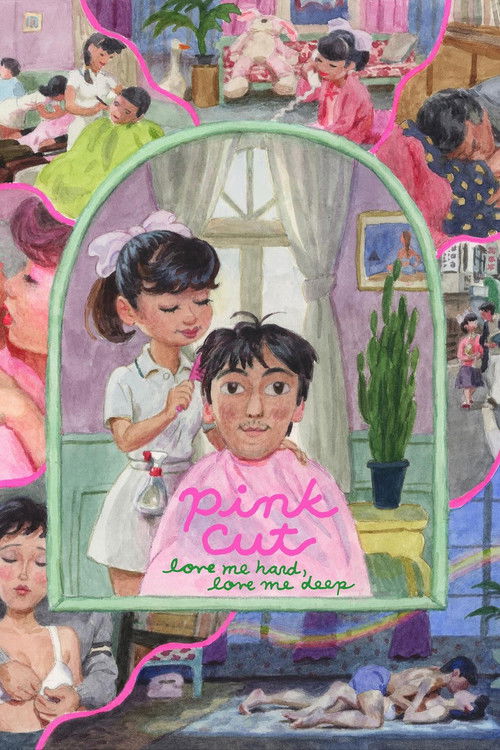
Mami runs a barber shop called The Pink Cut. The place is an immediate success, due mostly to super-short skirts. Recently, Akira, who is anxious about not finding a job, has started coming to her shop. Although he has a girlfriend, he is soon interested in Mami.
1978

1999

2010

1982
1993
2001

1986

2015
No reviews yet. Be the first to share your thoughts on this movie!
Use the rating form above to leave a star rating and optional review.