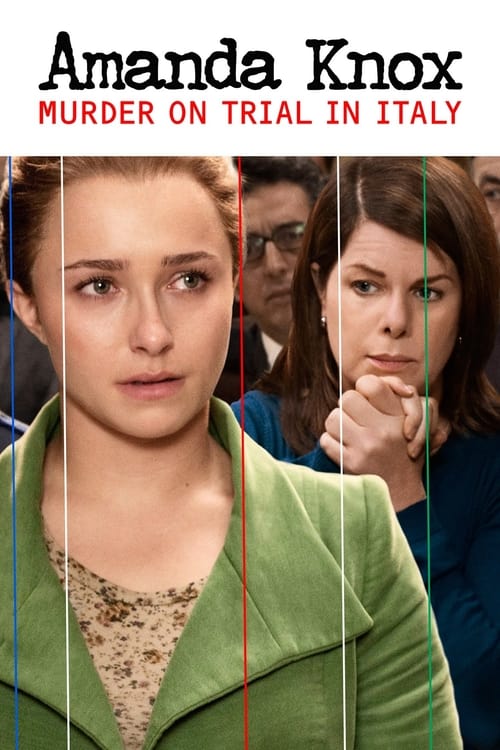
Amanda Knox: Murder on Trial in Italy
2011
No user ratings available yet
Representation score: 4.0 out of 10

Representation Score
Minimal
2013
PGDirector
Peter Werner
Runtime
85 minutes
Average Rating
No ratings yetNew Showbiz Analysis
The film serves as a procedural reconstruction of a high-profile legal event, prioritizing the perspective of state authority. It functions as a study of institutional process rather than a critique of systemic power dynamics. The narrative architecture is designed to reinforce legal rigor and the consequences of social transgressions. Because it relies on a traditionalist view of justice and a non-diverse case study, it lacks identity-driven storytelling. Ultimately, the work operates within a conventional true-crime framework, focusing on the tension between forensic evidence and judicial standards rather than subverting social hierarchies.
Category Breakdown
The film focuses solely on the criminal investigation and legal proceedings. There are no LGBTQ+ characters or non-straight identities featured in the story.
The story examines gendered archetypes by scrutinizing the accused through the lens of maternal instinct. It focuses on societal reactions to a woman perceived as failing traditional parenting roles.
The film depicts a largely homogeneous social and legal environment. It does not prioritize diverse casting or address broader ethnic or racial dynamics.
The narrative adheres to a traditional Western legalistic framework. It explores the friction between public morality and legal standards without challenging established institutions.
There is no representation of physical, neurodivergent, or mental health disabilities as central narrative drivers or character traits.
Present on Screen
Limited or Absent
Official Synopsis
"Prosecuting Casey Anthony" reveals Florida prosecutor, Jeff Ashton’s inside story of the true crime drama that captivated and then shocked the nation when Caylee Anthony’s mother, Casey, was acquitted of killing her daughter, despite what many thought to be overwhelming evidence of guilt. The movie is seen from Ashton’s (Lowe) perspective and it takes viewers behind-the-scenes of both the investigation into Caylee’s tragic death and the ensuing trial, shedding new light on the many questions of what happened to the two year-old girl, how Ashton and his fellow prosecutors built their case and why a woman so shrouded in suspicion was proclaimed innocent. With in-depth information about the case and the accused, "Prosecuting Casey Anthony" examines what the prosecution got right, what they got wrong and why Ashton remains convinced of Casey Anthony’s guilt...
2011
2012
2021

2020

1996

1996
2011

2016
No reviews yet. Be the first to share your thoughts on this movie!
Use the rating form above to leave a star rating and optional review.