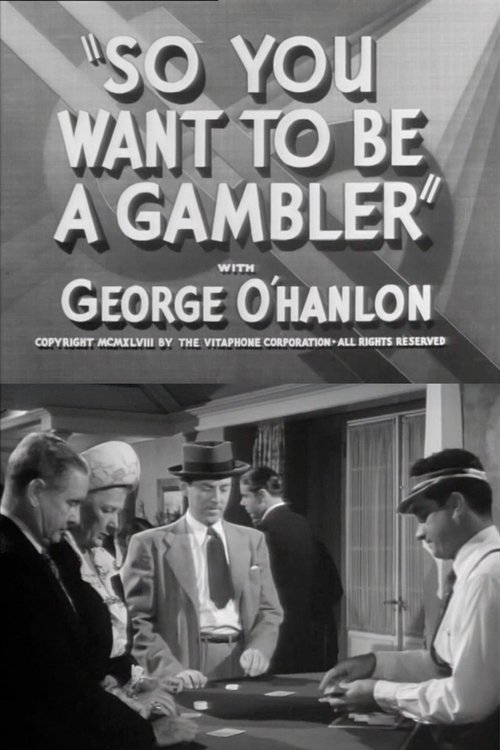
So You Want to Be a Gambler
1948
No user ratings available yet
Diversity score: 1.3 out of 10
No Poster Available
1954
ApprovedDirector
Richard L. Bare
Runtime
10 minutes
Average Rating
No ratings yetSynopsis
In this Joe McDoakes Comedy, Alice insists they go to a night club, although Joe is both tired and broke.
Overall Score
Limited
Category Breakdown
LGBTQ+ Representation
The film centers on a traditional heterosexual domestic conflict. There is no evidence of non-cisnormative identities or critiques of heteronormativity.
Gender Representation
The narrative relies on mid-century marital archetypes. While the female character drives the plot through her demands, the dynamic remains rooted in conventional gendered tropes.
Racial & Ethnic Diversity
The film likely reflects the homogeneous casting standards of 1950s American comedies. It appears to adhere to the era's standard of white-centric representation.
Religious & Cultural Diversity
The story focuses on middle-class social aspirations and the desire for nightclub attendance. It reinforces traditional Western social structures and domesticity.
Disability Representation
There is no evidence of characters with visible or invisible disabilities within the narrative.
Strengths
Areas for Improvement
AI Analysis
This Joe McDoakes comedy serves as a time capsule of 1954 social hierarchies. The plot is driven by a domestic tug-of-war between a demanding wife and a fatigued, broke husband, reinforcing the era's standard gendered archetypes. The film offers almost no representation of LGBTQ+ identities or racial diversity. It functions as a period-typical domestic comedy that prioritizes middle-class social norms over cultural variety. Ultimately, the work adheres to the conventional expectations of the mid-century studio system, providing little to no disruption of established social or identity-based norms.
1948
1952
1951
1950
1946
1950
1951
1956
1947
1949
1952
1952
No reviews yet. Be the first to share your thoughts on this movie!
Use the rating form above to leave a star rating and optional review.