So You Want to Be a Plumber
1951
No user ratings available yet
Representation score: 1.3 out of 10
Representation Score
Minimal
1948
ApprovedDirector
Richard L. Bare
Runtime
11 minutes
Average Rating
No ratings yetNew Showbiz Analysis
This comedic short functions as a traditional moral fable, emphasizing a clear lesson over complex character development. It adheres strictly to mid-20th-century social structures without attempting to challenge established hierarchies. The film reinforces mid-century social stability. It lacks the intentionality needed to challenge power dynamics or expand the representation of underrepresented groups. Ultimately, the narrative is conservative, focusing on the consequences of individual impulsiveness rather than offering any systemic critique of the era's cultural status quo.
Category Breakdown
The film does not depict any queer narratives or non-straight relationships. The world is entirely centered around straight and cisgender identities.
Female characters are confined to domestic or supportive roles. The story reinforces traditional gender hierarchies without giving women much independence or control.
The cast is uniform, lacking racial diversity. The setting portrays a culturally homogeneous small town typical of the late 1940s.
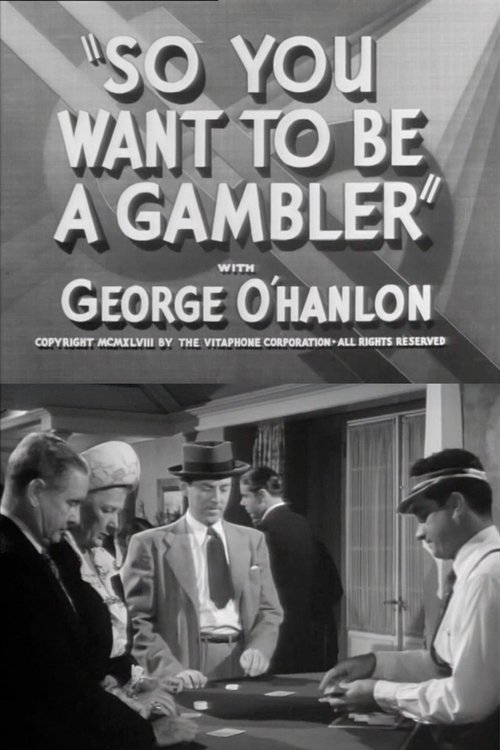
The story promotes a socially responsible, labor-focused perspective. Gambling is framed as a disruption to social order and stability.
There are no characters with visible or invisible disabilities. No individuals with physical impairments or neurodivergence appear in the film.
Present on Screen
Limited or Absent
Official Synopsis
In this comedic short, Joe McDoakes experiences the pitfalls of gambling.
1951
1946
1947
1949
1947
1947
1945
1956
No reviews yet. Be the first to share your thoughts on this movie!
Use the rating form above to leave a star rating and optional review.