Poor Albert and Little Annie
1972
No user ratings available yet
Representation score: 3.0 out of 10
Representation Score
Limited
1986
RDirector
Paul Leder
Runtime
94 minutes
Average Rating
No ratings yetNew Showbiz Analysis
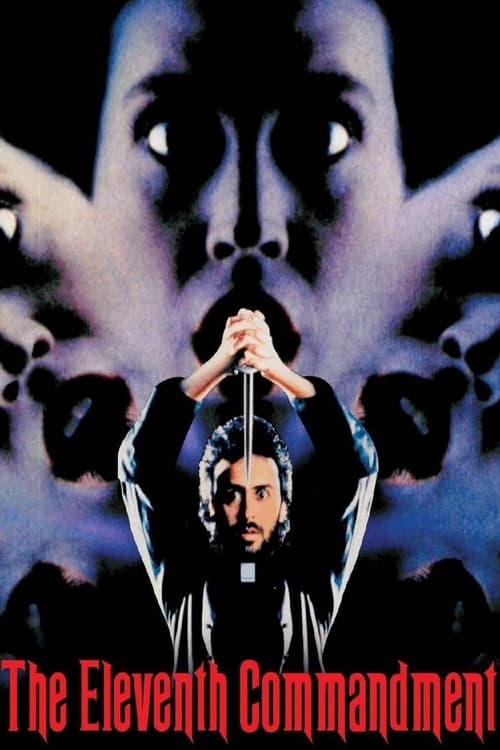
The 1986 thriller *The 11th Commandment* operates within the narrow confines of traditional genre clichés. The narrative structure is centered around the 'unhinged individual' and familial greed, failing to challenge established social or racial power dynamics. Representation is limited, with the film relying on masculine archetypes and homogeneous casting. The story lacks the intentionality needed to move beyond the baseline of non-storytelling that reflects multiple aspects of identity common to low-budget horror of this era. Additionally, the film uses mental illness primarily as a plot device to drive horror. This approach prioritizes genre thrills over a nuanced or respectful portrayal of lived experience.
Category Breakdown
There are no LGBTQ+ characters or narratives addressing non-straight identities in the film.
The story revolves around a male protagonist who drives the plot through violent actions. The narrative relies on traditional masculine archetypes of the avenger.
The film features a homogeneous cast with no indication of diverse representation or characters of color with significant roles.
Religious symbols are used to frame a morality play about vengeance. The film focuses on individual retribution rather than critiquing systemic issues.
Mental health conditions serve as a narrative catalyst for horror. Using an asylum escape to facilitate violence may reinforce negative stereotypes about mental health.
Present on Screen
Limited or Absent
Official Synopsis
Fashioning himself as a priestly avenger, Robert escapes from the insane asylum and begins slashing his way through anyone who stands between him avenging the actions of his greedy uncle.
1972

1983
2006
1981
1990
1975
1994

1973
No reviews yet. Be the first to share your thoughts on this movie!
Use the rating form above to leave a star rating and optional review.