The 11th Commandment
1986
No user ratings available yet
Representation score: 2.9 out of 10
Representation Score
Limited
2006
NRDirector
Erin Berry
Runtime
85 minutes
Average Rating
No ratings yetNew Showbiz Analysis
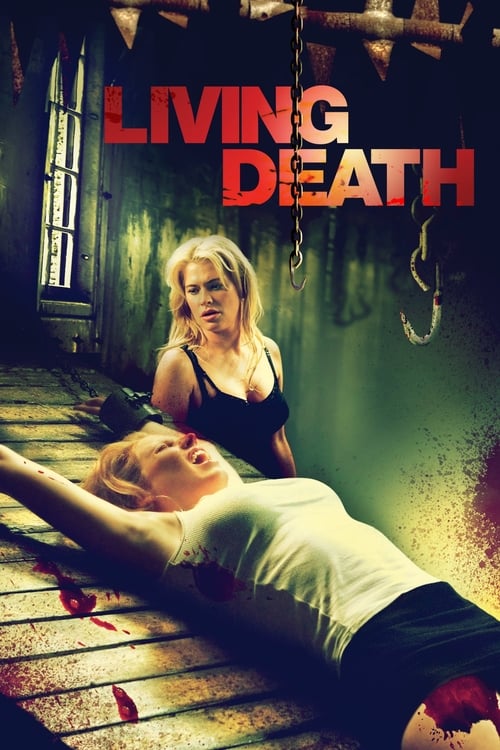
Living Death operates within the typical framework of a mid-2000s psychological thriller, focusing on interpersonal betrayal and individual obsession. The narrative does not explore multi-layered identities or systemic issues. Instead, it relies on traditional character archetypes and a narrow, conventional domestic drama.
Category Breakdown
The story revolves around a heterosexual couple and a male friend, without any representation of non-straight identities or critiques of heterosexuality.
The plot involves a power struggle between male dominance and the female lead's initiative. However, the narrative emphasizes the male lead's rage, which may reinforce traditional gender roles.
The characters in the film are predominantly of a single ethnic background, with no indication of diverse or non-Anglo-Saxon representation.
The film focuses on personal revenge and family breakdown, without addressing the impact of Western institutions or specific cultural frameworks.
There is no evidence of characters with visible or invisible disabilities in the film.
Present on Screen
Limited or Absent
Official Synopsis
Torture is the ultimate seduction when Victor, a powerful and dangerous millionaire, discovers that his beautiful wife Elizabeth (Kristy Swanson) is having a steamy affair with his best friend. And when the lovers' risky plan to get rid of him backfires, Victor's relentless anger and terrifying rage sends him over the edge on a shockingly sadistic quest for total revenge.
1986
1997
1972

1978
1997

2017

1988

2013
No reviews yet. Be the first to share your thoughts on this movie!
Use the rating form above to leave a star rating and optional review.