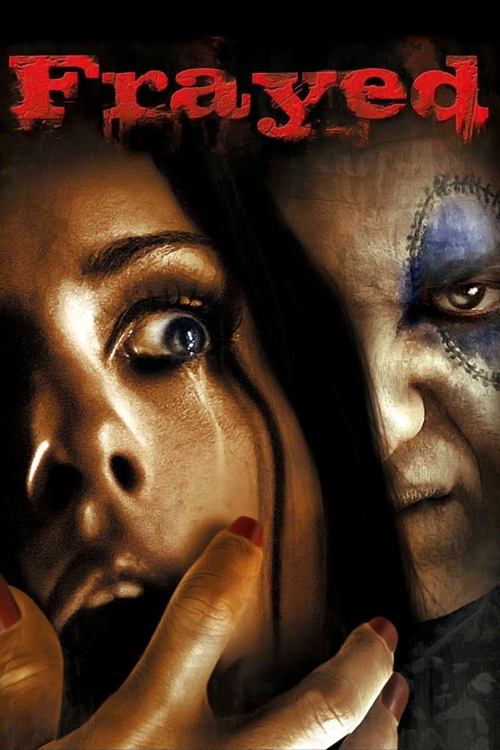
Frayed
2007
No user ratings available yet
Representation score: 4.1 out of 10
Representation Score
Limited
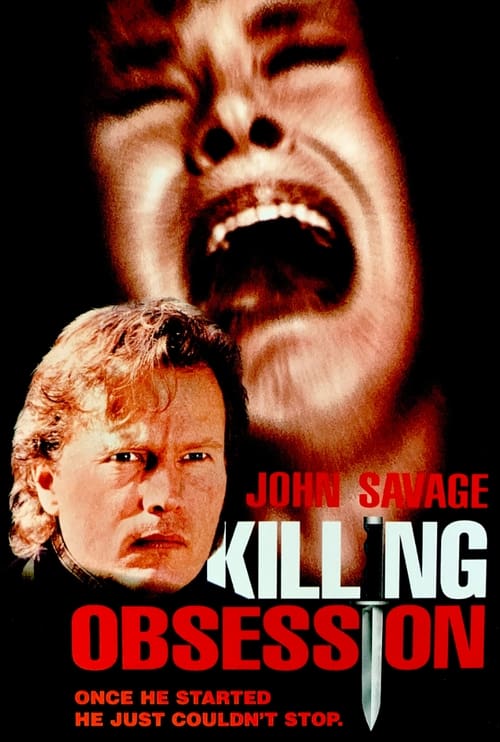
1994
RDirector
Paul Leder
Runtime
95 minutes
Average Rating
No ratings yetNew Showbiz Analysis
Killing Obsession is a conventional psychological thriller that adheres to the standard clichés of its era. The narrative structure prioritizes suspense and character pathology over social commentary or layered representation. The film relies on traditional hierarchies, where male characters drive the plot through aggression or authority, while female characters are positioned as victims. This creates a narrow view of control and representation. Ultimately, the work functions as a genre piece that mirrors the demographic norms of mid-90s independent horror, lacking significant diversity or subversion of social norms.
Category Breakdown
The film centers around a predatory obsession within a heterosexual context. There are no queer narratives or non-cisgender identities represented.
Female characters mainly play vulnerable or targeted roles. Male characters have the primary control as aggressors or authorities.
The setting and characters suggest a conventional, likely homogeneous Western environment. There is no indication of a diverse or multicultural cast.
The narrative explores tensions between justice and institutional authority. It follows a binary morality of predator versus protector without broader cultural critique.
Psychological issues are used as a vehicle for horror and tension. The portrayal of mental health serves as a plot device rather than a nuanced study.
Present on Screen
Limited or Absent
Official Synopsis
Albert (John Savage) is a psychopath who, after brutally murdering a woman, becomes obsessed with her 11-year-old daughter Annie. Twenty-one years after being sent to prison for his crimes, Albert is freed over the strenuous objections of Dr. Sachs (John Saxon), the psychiatrist who has been overseeing Albert's case all these years. Sachs is convinced that Albert is still a very real threat to the community, and it turns out that he's right; desperate to find Annie, but not knowing what surname she uses today, Albert begins contacting every Annie he can find in the phone book, leaving a bloody trail of murdered women in his path when they turn out not to be the little girl he's looking for
2007
1979
1990

2010
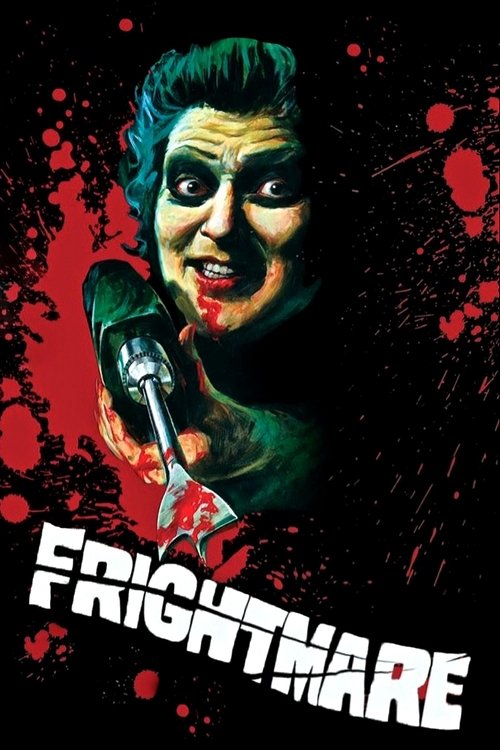
1974
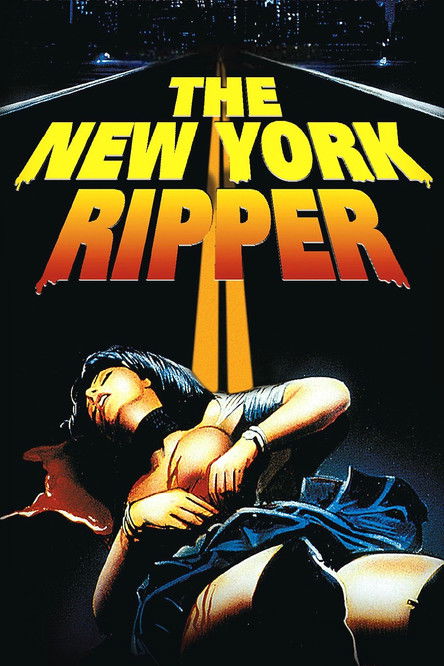
1982
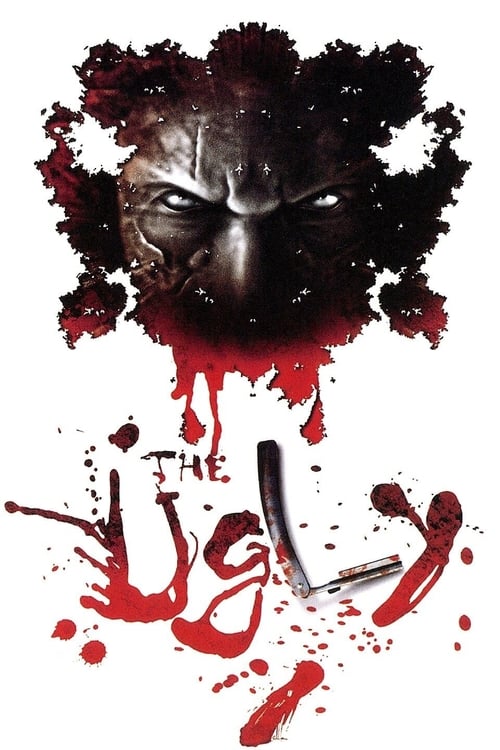
1997
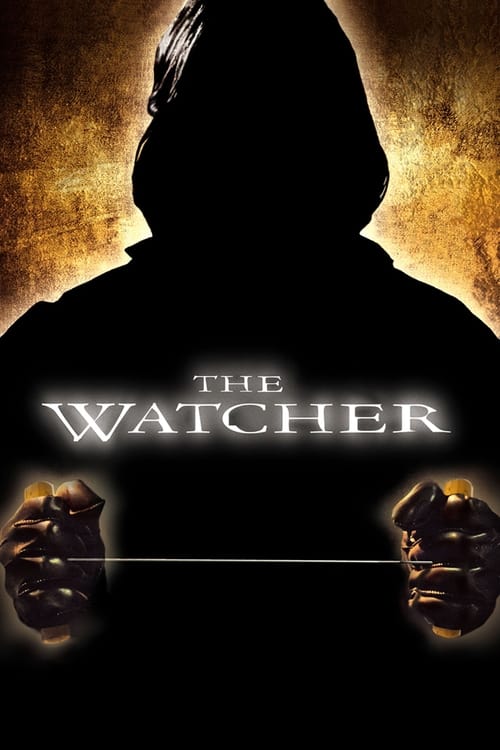
2000
No reviews yet. Be the first to share your thoughts on this movie!
Use the rating form above to leave a star rating and optional review.