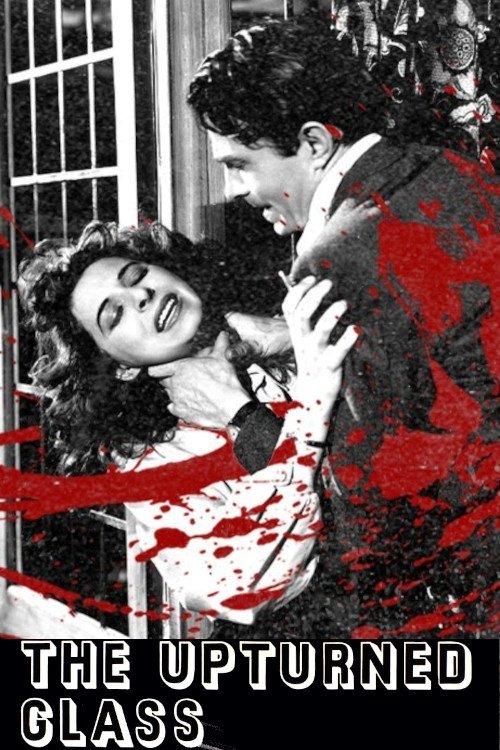
The Upturned Glass
1947
No user ratings available yet
Representation score: 1.2 out of 10

Representation Score
Minimal
1952
Director
José Luis Sáenz de Heredia
Runtime
100 minutes
Average Rating
No ratings yetNew Showbiz Analysis
The Eyes Leave a Trace is a quintessential example of mid-century Spanish cinema, operating strictly within the social and moral boundaries of its time. The film prioritizes a traditional crime drama structure centered on male obsession and interpersonal conflict. While technically proficient, the work does not attempt to challenge established hierarchies or introduce diverse perspectives. It remains a homogeneous narrative that reflects the societal constraints of 1950s Spain, focusing on individual guilt and social reintegration within a conventional framework.
Category Breakdown
The film adheres to a traditional romantic structure centered around heterosexual relationships. There is no representation of non-binary gender identities or critiques of heterosexuality.
The narrative reinforces traditional gender roles through a man's fixation on his friend's wife. Women are portrayed mainly as objects of desire rather than as active participants in the story.
The cast is uniform, reflecting the socio-political climate of 1950s Spain. The story lacks racial or ethnic diversity and avoids non-European character types.
The film operates within a strict moral framework typical of post-Civil War Spain. It emphasizes conventional morality and social order without engaging in secular critique.
There is no depiction of characters with visible or invisible disabilities. Such identities do not play a central role in the narrative.
Present on Screen
Limited or Absent
Official Synopsis
Martin, a frustrated lawyer who sells perfumes, is reunited with Robert, an old, bright fellow student, and falls in love with his wife. One night Robert enlists the help of Martin, because he believes he has killed a man who was about her lover. Martin sees an opportunity ...
1947
1955
1951
1943
1985
1950
1954
1956
No reviews yet. Be the first to share your thoughts on this movie!
Use the rating form above to leave a star rating and optional review.