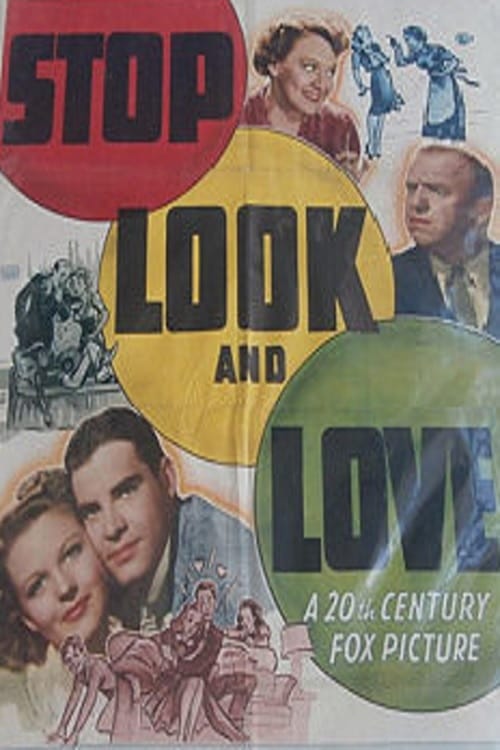
Stop, Look and Love
1939
No user ratings available yet
Diversity score: 1.4 out of 10

1944
ApprovedDirector
Reginald Le Borg
Runtime
83 minutes
Average Rating
No ratings yetSynopsis
A harried daughter tries to keep her wacky family together while trying to sell her eccentric father's latest invention, a collapsible life raft.
Overall Score
Minimal
Category Breakdown
LGBTQ+ Representation
The film contains no evidence of queer narratives or non-heteronormative identities. It adheres to the standard heteronormative social roles typical of 1944 studio productions.
Gender Representation
The story centers on a harried daughter managing her family and her father's business. While she possesses agency, she is framed through the trope of domestic labor and emotional management.
Racial & Ethnic Diversity
There is no indication of racial diversity or the subversion of Anglo-centric casting norms. The setting appears to follow conventional domestic patterns of the era.
Religious & Cultural Diversity
The plot reinforces traditional Western social structures and mid-century capitalist ideals. It focuses on family cohesion and the pursuit of commercial success through individual invention.
Disability Representation
The narrative provides no mention of characters with visible or invisible disabilities.
Strengths
Areas for Improvement
AI Analysis
San Diego I Love You is a mid-century domestic comedy that operates within the highly conventional social frameworks of 1944. The narrative is built around traditional family dynamics and the pursuit of entrepreneurial success, offering little in the way of social disruption. The film relies on established gender tropes, positioning the male figure as the source of innovation and chaos while the female protagonist serves as the stabilizing force. This creates a hierarchy centered on traditional domestic and professional roles. Ultimately, the film lacks intersectional complexity. It functions as a standard period piece that prioritizes the preservation of the nuclear family and capitalist values over diverse or progressive representation.
1939

1934
1943
1947

1933

1941
1942
1947
1951
1953
1953
1947
No reviews yet. Be the first to share your thoughts on this movie!
Use the rating form above to leave a star rating and optional review.