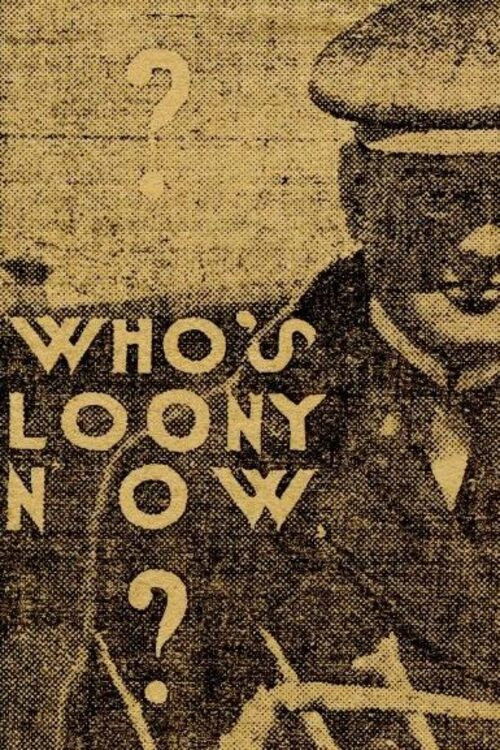
Who's Looney Now
1936
No user ratings available yet
Representation score: 1.1 out of 10

Representation Score
Minimal
1934
PassedDirector
Charley Chase, Eddie Dunn
Runtime
19 minutes
Average Rating
No ratings yetNew Showbiz Analysis
Another Wild Idea is a typical 1930s comedy that adheres to the social hierarchies and narrative conventions of its time. Its primary departure from tradition is the brief subversion of masculine archetypes, transforming a passive lead into a forceful one through a sci-fi device. However, these shifts occur through slapstick situational humor rather than a deliberate deconstruction of systemic power. The narrative structure reinforces conventional romantic goals and lacks the layered complexity needed for a higher score. Ultimately, the film serves as a period piece that prioritizes traditional courtship and comedic clichés over diverse representation.
Category Breakdown
The film focuses on a traditional heterosexual relationship between Betty and Charley. There are no non-straight or non-cisgender identities or critiques of the assumption that everyone is straight.
The plot revolves around a technological intervention that changes the male protagonist's passive masculinity. While Charley becomes more assertive, Betty remains a traditional romantic interest.
The narrative follows a homogeneous cast typical of 1930s mainstream comedy. There is no indication of racial diversity or non-white majority casting.
The story critiques traditional authority through a conflict with a bullying police officer. However, it remains rooted in conventional romantic and familial structures.
The film provides no information regarding the depiction of physical, neurodivergent, or mental health conditions.
Present on Screen
Limited or Absent
Official Synopsis
Betty's father has an invention that looks like a fancy camera; it emits an ultra-lavender ray that temporarily rids the ray's target of inhibitions. To test it, Betty's father zaps Charley hoping his newly-aberrant behavior will cause Betty to end her affections for the milquetoast. Dad's plan backfires: the invention works perfectly, Charley gets a backbone, and Betty loves her new forceful man. However, Charley's courage and lack of a superego get him in trouble with the law. He goes on trial for assaulting a bullying police officer. Is Charley going up the river leaving Betty high and dry?
1936
1927
1956

1952
1949
1940
1927
1927
No reviews yet. Be the first to share your thoughts on this movie!
Use the rating form above to leave a star rating and optional review.