The Dark Horse
1946
No user ratings available yet
Diversity score: 2.0 out of 10
1943
NRDirector
William K. Howard
Runtime
97 minutes
Average Rating
No ratings yetSynopsis
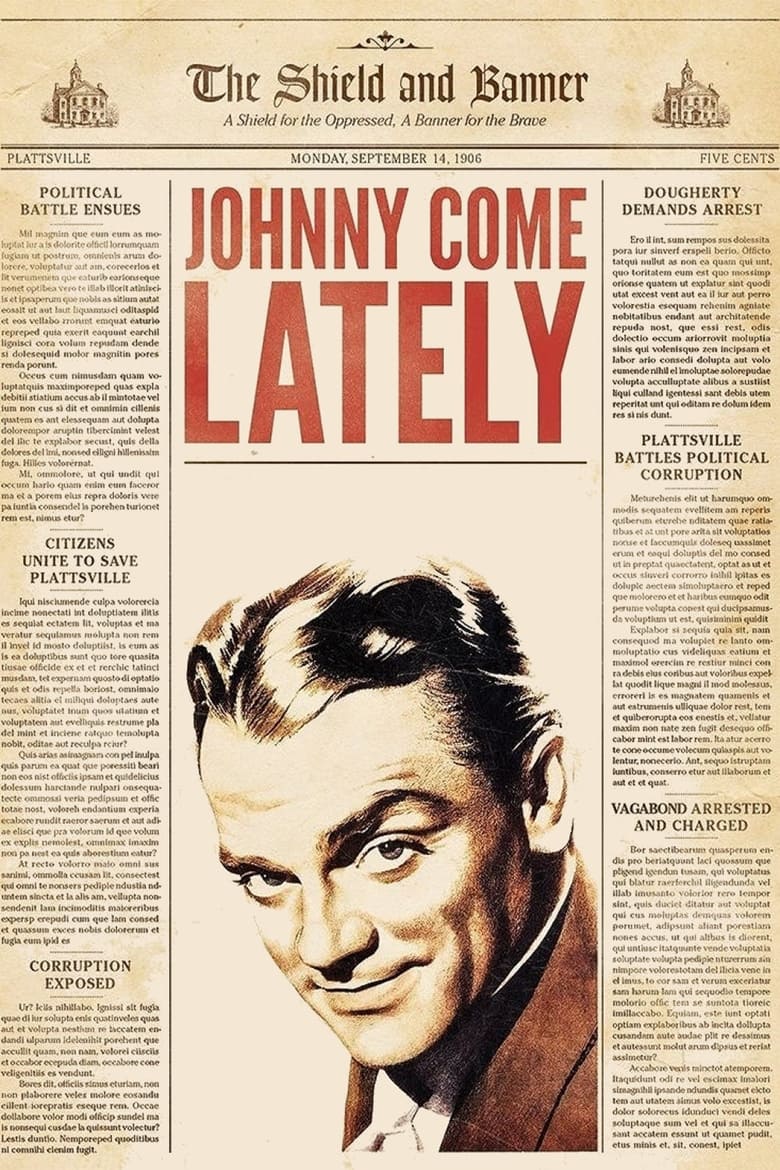
Cagney is a human dynamo as a drifter who helps save ailing Grace George from losing her newspaper. The pace is fast, and audiences of all ages will be pleased. The supporting cast, have all the small-town characterizations down pat -- with Margaret Hamilton a standout. Cagney himself, had genuine affection for this film, and listed it among his top five movie-making experiences at a retrospective the year before he died.
Overall Score
Limited
Category Breakdown
LGBTQ+ Representation
The film contains no evidence of non-cisnormative gender identities or same-sex intimacy. It adheres to the heteronormative standards typical of 1943 productions.
Gender Representation
Grace George holds a professional role as a newspaper owner, providing a baseline of inclusion. However, the narrative positions Cagney as the primary savior and agent of change.
Racial & Ethnic Diversity
The cast appears to focus on a homogeneous social environment. There is no indication of a non-white or multi-ethnic cast within the small-town setting.
Religious & Cultural Diversity
The story reinforces traditional Western values by focusing on professional stability. It seeks to restore social order through the preservation of established institutions like the newspaper.
Disability Representation
There is no specific evidence regarding the portrayal of physical or neurodivergent disabilities in this narrative.
Strengths
Areas for Improvement
AI Analysis
Johnny Come Lately is a traditional mid-century character drama that prioritizes conventional heroism. The plot centers on a male protagonist navigating a localized conflict to preserve a professional institution. The film reflects the social and cinematic constraints of the 1943 studio system. It emphasizes individual agency and restorative social order rather than challenging systemic power dynamics or presenting intersectional identities. While the performances are energetic, the narrative architecture remains rooted in the homogeneous storytelling norms of its era.
1946
1948
1936
1934
1933
1932
1935
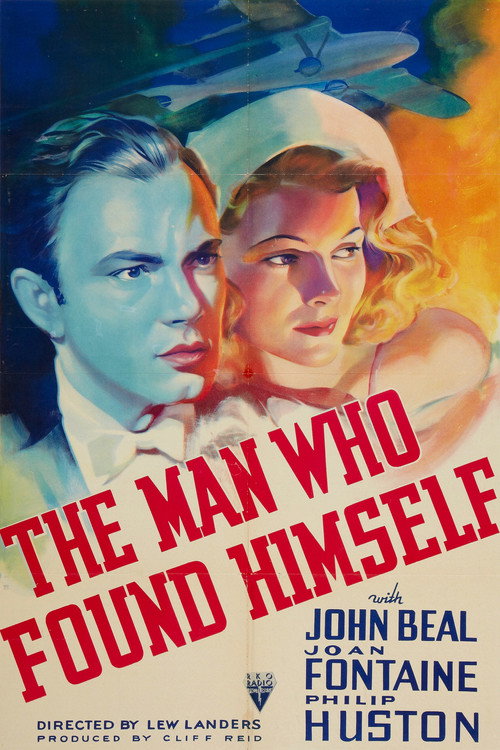
1937
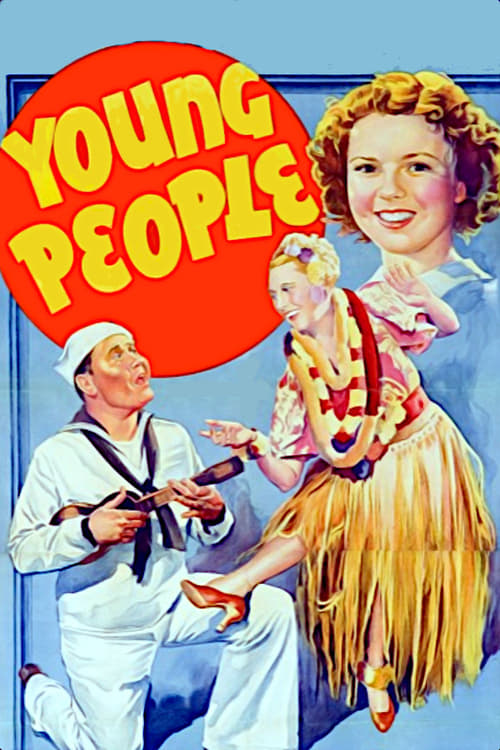
1940
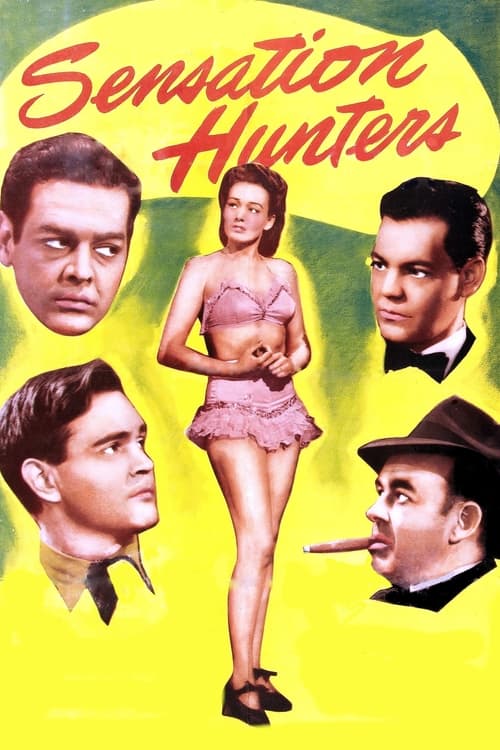
1945
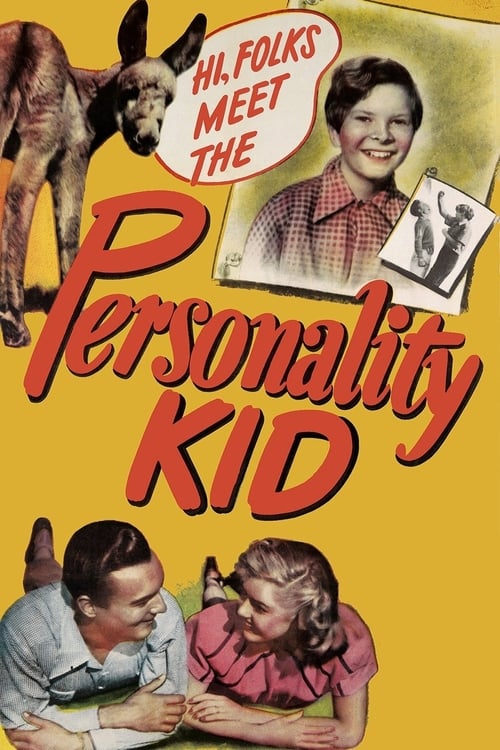
1946
1938
No reviews yet. Be the first to share your thoughts on this movie!
Use the rating form above to leave a star rating and optional review.