A Sexplanation
2021
No user ratings available yet
Representation score: 4.3 out of 10
Representation Score
Fair
2016
TV-MADirector
Nicholas Tana
Runtime
72 minutes
Average Rating
No ratings yetNew Showbiz Analysis
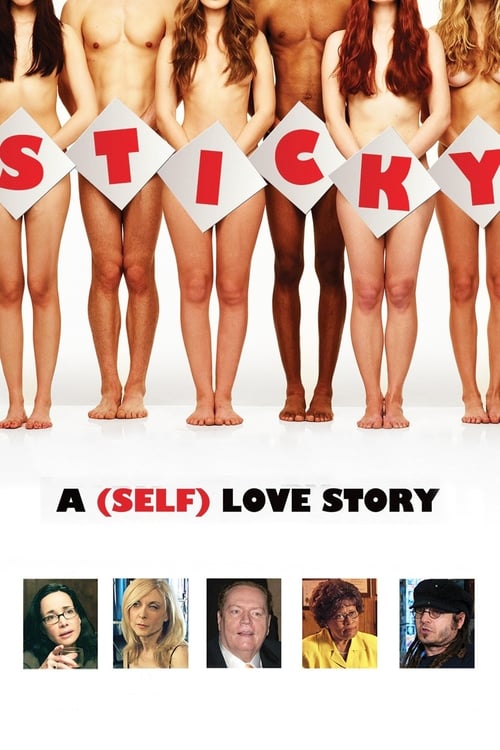
Sticky: A (Self) Love Story serves as a sociological exploration of the taboos surrounding masturbation. Through interviews with experts such as sex therapists and anthropologists, the film shifts the conversation from shame to scientific understanding. It effectively dismantles institutional fears perpetuated by religious and familial structures. The documentary promotes bodily autonomy and secular inquiry, treating sexuality as a complex human reality rather than a moral battlefield. This approach fosters a more inclusive understanding of human biology. However, the film’s demographic diversity remains unverified. While the interview pool seems varied, the absence of specific data on racial, ethnic, or disability representation hinders a comprehensive assessment of its impact.
Category Breakdown
The film challenges traditional views by presenting sexual exploration as a universal human experience. It aims to include non-traditional sexual expressions within the scope of moral discussions.
The documentary empowers individuals by reclaiming bodily autonomy and focusing on personal biology. It challenges traditional gender roles by emphasizing personal choice and self-awareness.
The film includes a variety of interviewees, ranging from celebrities to ordinary people. However, there is no detailed breakdown of specific racial or ethnic backgrounds.
The narrative emphasizes scientific and anthropological insights over religious beliefs. Religious figures are presented as one of many voices rather than the sole moral authority.
The film addresses sexual health and common misconceptions. However, there is no specific mention of neurodivergence or physical disabilities among the interviewees.
Present on Screen
Limited or Absent
Official Synopsis
"Sticky" is everything your mother was too embarrassed to tell you about masturbation, in one stimulating documentary. Full of candid interviews from celebrated figures to everyday people, health care professionals, sex therapists, zoologists, anthropologists, and religious figures, this feature length doc answers age-old questions like: What is masturbation? Will it make me go blind? Is it "normal"? Is it wrong? And why are we so afraid to be caught in the act? In a world where confusion about sexuality remains at the root of so many societal problems - rape, sexual abuse, and the threat of sexually transmitted diseases - "Sticky" will help shatter misconceptions and myths surrounding this intimate aspect of human sexuality.
2021

1998
2001
1999

1968

2019

2014
2004
No reviews yet. Be the first to share your thoughts on this movie!
Use the rating form above to leave a star rating and optional review.