She Lives!
1973
No user ratings available yet
Representation score: 3.9 out of 10
Representation Score
Limited
1973
GDirector
Joseph Sargent
Runtime
121 minutes
Average Rating
No ratings yetNew Showbiz Analysis
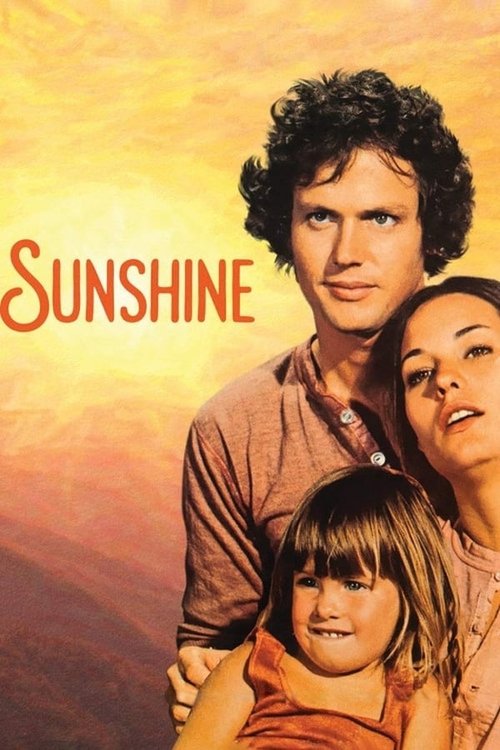
Sunshine is a traditionalist drama that reflects the social constraints and demographic norms of the early 1970s. It functions as a conventional study of personal tragedy within a standard social framework, prioritizing humanistic realism over the disruption of social hierarchies. The film lacks complexity in addressing multiple aspects of identity, focusing instead on the preservation of family legacy through personal documentation. Its narrative structure adheres to the historical status quo of its production era. Ultimately, the work provides a narrow view of the human experience, centering on a homogeneous demographic and traditional domestic structures.
Category Breakdown
The film does not include any LGBTQ+ characters or non-cisgender identities. The social framework remains strictly centered around heterosexual relationships without any critical examination of traditional romantic structures.
While the central premise revolves around a woman's terminal illness, the narrative reinforces traditional domestic roles. Women do not hold positions of structural authority compared to men.
The cast is predominantly homogeneous, reflecting the era's standard for professional depictions. There is a notable absence of intentional racial blending or casting actors regardless of their background.
The story operates within a framework of Western individualism and domesticity. It emphasizes family sanctity and personal struggle rather than secularist or anti-Western critiques.
The protagonist's terminal illness drives the emotional pathos of the film. However, the condition is treated as a biological inevitability rather than an exploration of the individual's ability to act or respond.
Present on Screen
Limited or Absent
Official Synopsis
A young woman living in the woods with her husband, a struggling musician, and her young daughter, discovers she has terminal cancer. She begins to tape-record a journal of the time she has left so her daughter will know something of her when she grows up.
1973

2001
1976
1993
1983

2007

1987
1979
No reviews yet. Be the first to share your thoughts on this movie!
Use the rating form above to leave a star rating and optional review.