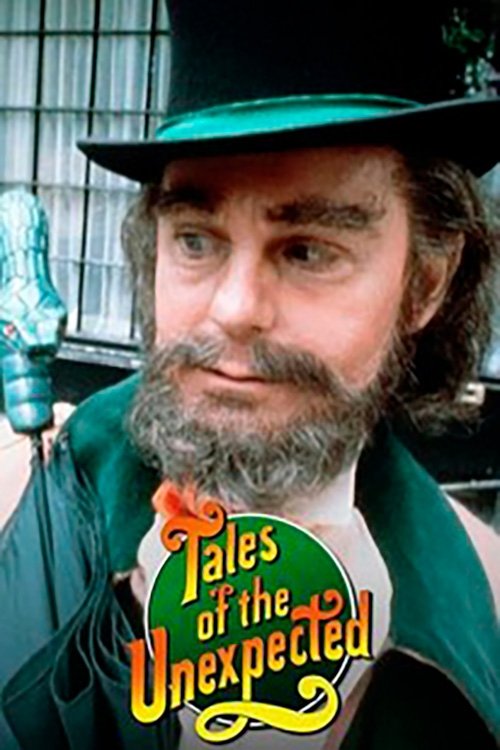
Stranger in Town
1982
No user ratings available yet
Representation score: 3.7 out of 10
Representation Score
Limited
1952
Director
Wendy Toye
Runtime
23 minutes
Average Rating
No ratings yetNew Showbiz Analysis
The film mirrors the homogeneous social structures of mid-century British cinema. It lacks significant representation across most demographic categories, particularly regarding race and LGBTQ+ identities. However, the production stands out due to Wendy Toye’s role as director, which disrupts the typical patriarchal hierarchies of 1950s crime films. Ultimately, while the directorial presence offers a progressive edge, the narrative remains conventional, focusing on a traditional mystery within a standard Western social framework.
Category Breakdown
The film does not include any LGBTQ+ characters or narratives. It adheres to the social norms of 1952, showing no depictions of queer identity.
Wendy Toye's direction subtly challenges the male-dominated crime genre. Her leadership disrupts the typical patriarchal production hierarchy.
Set in a small English town, the film likely reflects the homogeneous demographic norms of post-war Britain. There is no indication of non-white casting or diverse representation.
The story operates within a traditional Western framework focused on local social structures. It functions as a standard mystery without critiquing Western institutions.
The stranger is described as eccentric and daft, but it is unclear if this represents neurodivergence. These traits may simply serve as common period character clichés.
Present on Screen
Limited or Absent
Official Synopsis
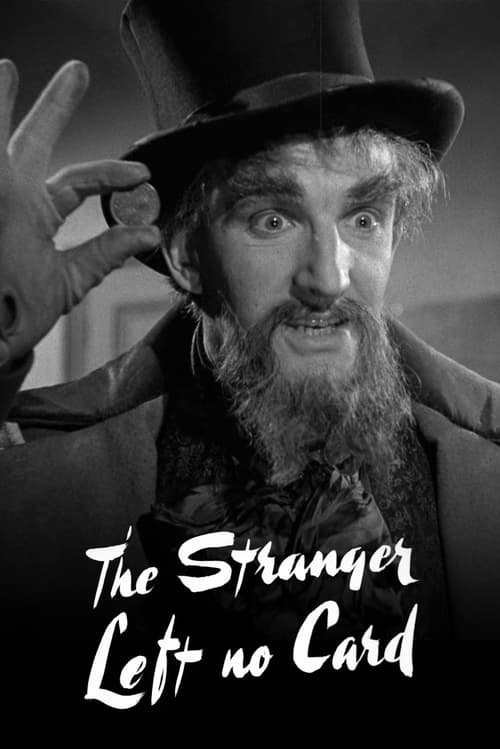
A strangely-garbed and eccentric-acting stranger arrives in a small English town. But, after several days on being in the town, the citizens accept him as a harmless, though a bit daft, member of the community. He then pays a visit to the town's leading citizen and reveals himself as a man with the perfect plan for murder.
1982
1955
1966
1970
1939
1964
1960
1950
No reviews yet. Be the first to share your thoughts on this movie!
Use the rating form above to leave a star rating and optional review.