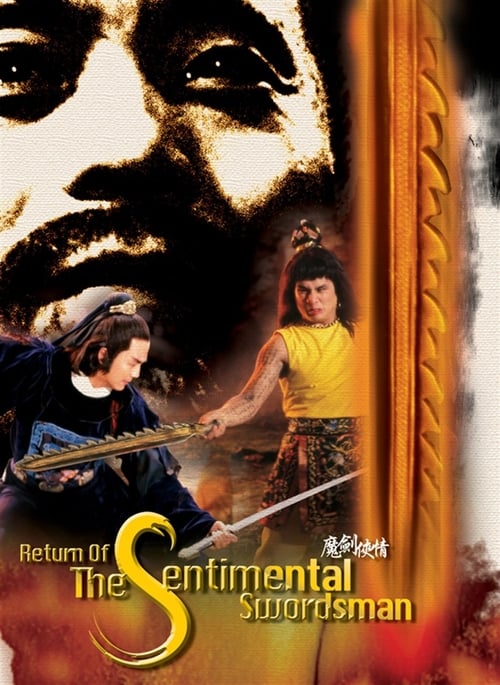
Return of the Sentimental Swordsman
1981
No user ratings available yet
Diversity score: 4.2 out of 10
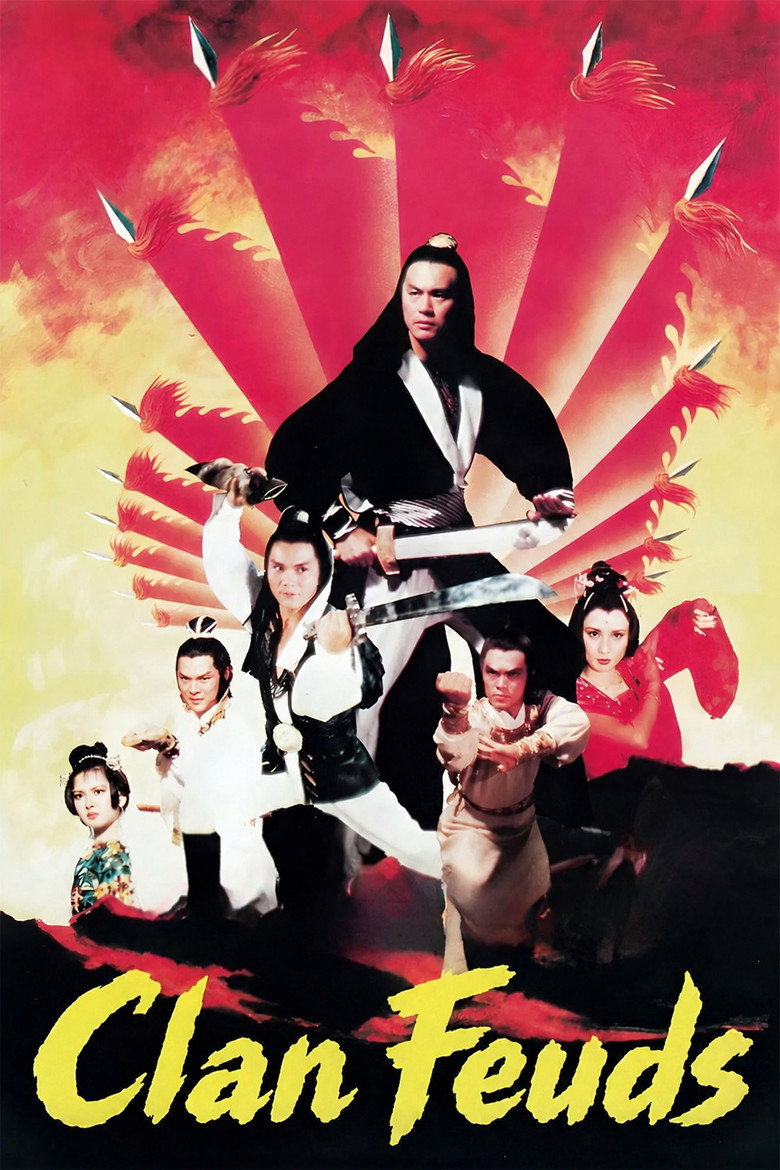
1982
Director
Peng-Yi Chang
Runtime
100 minutes
Average Rating
No ratings yetSynopsis
Two young lovers, Yun Keng and Ching Shuang belong to opposing clans. Their relationship is a secret for a time. Once Master Diao, head of the Great Banner Clan, learns of this treachery he must execute his son by way of quartering. Ti Zhong Tang as well as Yun's hot headed brother, Yun Zheng try and coax the old man out of having his son put to death but to no avail. Just before the act is carried out, Ti knocks Yun Keng unconscious and he is willingly replaced by one of his brothers who is quickly killed. Master Diao and Ti swear to reveal the truth to no one. Ti vows to locate the whereabouts of the beautiful Ching Shuang so the two can be reunited in the hopes that their love will one day rebuild the Great Banner Clan.
Overall Score
Fair
Category Breakdown
LGBTQ+ Representation
The story centers on a romantic bond between Yun Keng and Ching Shuang. However, the narrative follows a traditional heteronormative framework without any explicit queer themes.
Gender Representation
Male figures and patriarchal structures drive the plot, particularly through Master Diao's authority. Ching Shuang is described as beautiful but serves primarily as a motivation for male characters.
Racial & Ethnic Diversity
The film presents a culturally homogenous narrative centered on specific clan dynamics. It lacks intersectional casting or diverse racial blending within the primary cast.
Religious & Cultural Diversity
Themes of clan loyalty and familial duty are central to the plot. The story seeks to restore traditional institutional stability rather than critiquing patriarchal authority.
Disability Representation
There are no depictions of visible or invisible disabilities, neurodivergence, or chronic illness within the narrative.
Strengths
Areas for Improvement
AI Analysis
Clan Feuds is a traditional action-drama that prioritizes established social hierarchies and clan-based honor systems. The plot focuses on the tension between individual desire and institutional duty, but it does so through a lens that reinforces conventional structures. The film relies heavily on patriarchal authority, with male characters making the pivotal decisions that drive the conflict and resolution. While it introduces moral complexity through Ti Zhong Tang's deception, the ultimate goal remains the restoration of the clan's stability. Ultimately, the narrative functions as a genre piece that upholds traditional values rather than challenging them. It lacks significant representation of diverse identities or subversions of the status quo.
1981
1980
1978
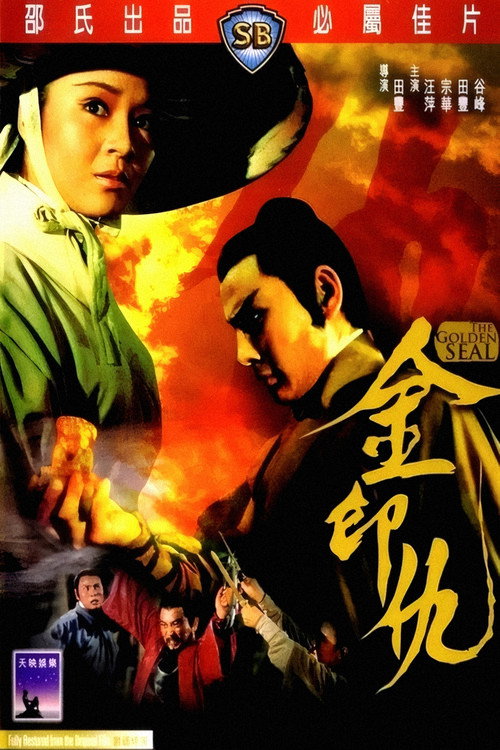
1971
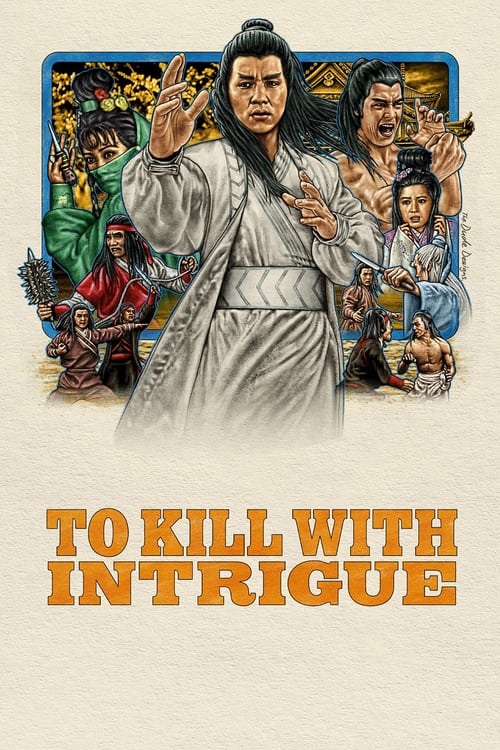
1977
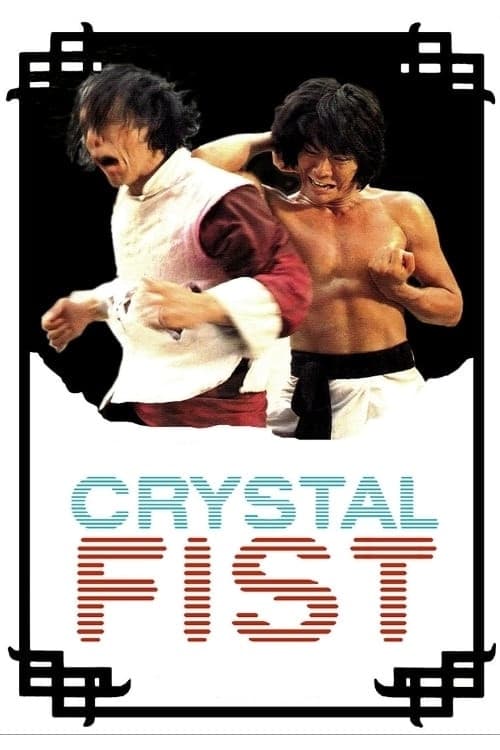
1979

1980
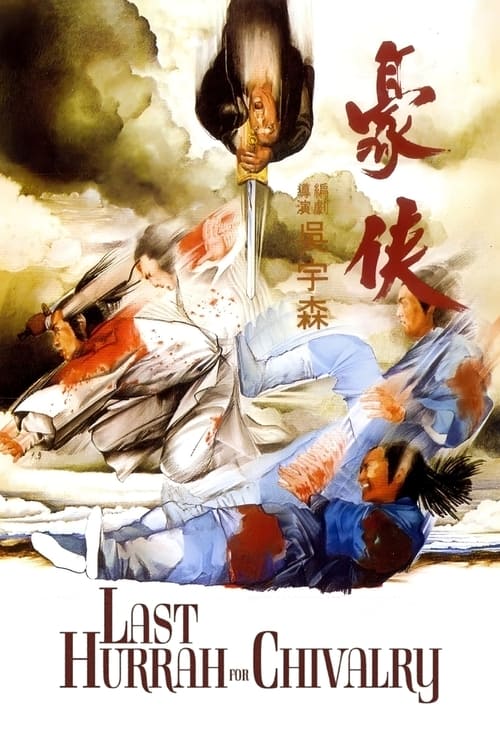
1979

1983
1972
1972
1978
No reviews yet. Be the first to share your thoughts on this movie!
Use the rating form above to leave a star rating and optional review.