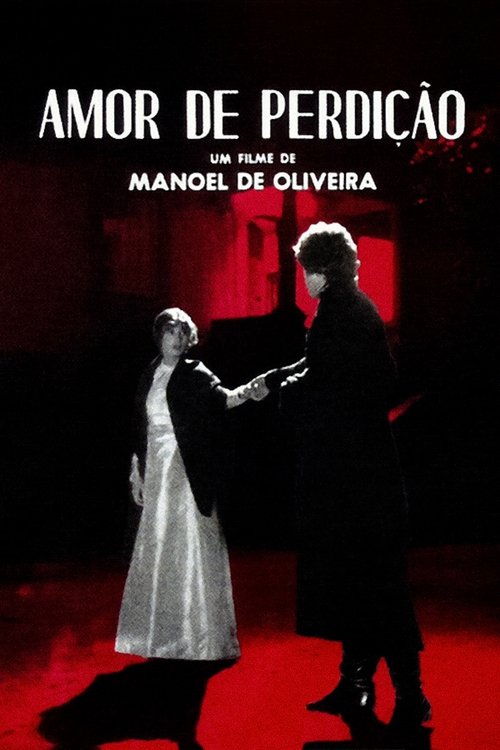
Doomed Love
1979
No user ratings available yet
Representation score: 4.5 out of 10

Representation Score
Fair
1981
Director
Manoel de Oliveira
Runtime
166 minutes
Average Rating
No ratings yetNew Showbiz Analysis
Manoel de Oliveira’s film serves as a critical look at societal and religious stability. It stands out by questioning established powers, especially through its detailed examination of gender roles and criticism of traditional institutions like the Church. However, the film focuses narrowly on a specific historical period, leading to limited racial and ethnic diversity. The story remains confined within a homogeneous European context. Overall, the film’s strength lies in its innovative narrative structure. It replaces outdated ideas of female obedience and religious devotion with a deeper exploration of personal resistance against rigid systems.
Category Breakdown
The film uses subtle hints and underlying themes to explore repressed desires. It challenges the idea that everyone follows traditional relationships by focusing on rejecting conventional marriage and examining unusual emotional states.
Francisca defies traditional gender roles and male dominance by choosing the convent instead of getting married. The story portrays feminine virtue as a source of inner conflict rather than a stable social role.
Set in 19th-century Portugal, the film features a cast made up mostly of white actors. It does not include actors from diverse backgrounds to broaden its representation beyond its historical context.
The film questions the Church and family as oppressive forces that limit personal freedom. It emphasizes individual truth over strict religious and family rules.
There is no notable depiction of visible or invisible disabilities in the film.
Present on Screen
Limited or Absent
Official Synopsis
The life of a young man, son of an English officer who lets himself become a prisoner of love resulting in fatalism and disgrace.
1979

1972

1992
1938

1993
1999

2021

1970
No reviews yet. Be the first to share your thoughts on this movie!
Use the rating form above to leave a star rating and optional review.