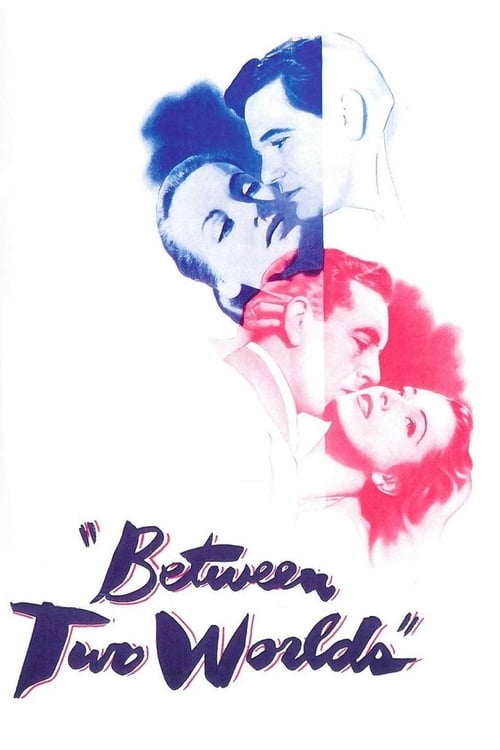
Between Two Worlds
1944
No user ratings available yet
Representation score: 1.1 out of 10
Representation Score
Limited
1944
Not RatedDirector
Basil Dearden
Runtime
78 minutes
Average Rating
No ratings yetNew Showbiz Analysis
Basil Dearden’s 1944 production reflects the social dynamics of its era, aiming to boost national morale. It prioritizes social cohesion and traditional British institutions over underrepresented identities. The film serves as a pro-social narrative, emphasizing collective resilience. Instead of challenging existing hierarchies, it focuses on bridging socioeconomic gaps and maintaining stability during wartime. Ultimately, the work mirrors the demographics and social structures of wartime London, favoring class-based solidarity and traditional norms over diverse perspectives.
Category Breakdown
The film follows the heterosexual and cisgender norms of the 1940s. There is no indication of non-binary gender identities or same-sex relationships.
Women play key roles in the war effort, but the film upholds traditional gender roles. Men are shown as leaders, while women align with societal expectations of the time.
The cast primarily features a homogeneous British population typical of wartime London. The story focuses on class differences without delving into racial or ethnic diversity.
The narrative centers on national unity and patriotism, emphasizing traditional Western values. It highlights the importance of state and community over individualism.
Disability is portrayed through injuries sustained during the war or from air raids. Characters with physical limitations have limited influence and involvement in the plot.
Present on Screen
Limited or Absent
Official Synopsis
People from different walks of life mysteriously find themselves at the gate of an unknown city
1944

1962
1944
1921
1935
1951

1930
1944
No reviews yet. Be the first to share your thoughts on this movie!
Use the rating form above to leave a star rating and optional review.