
The Magus
1968
No user ratings available yet
Representation score: 4.9 out of 10
Representation Score
Limited
1944
Director
Basil Dearden
Runtime
95 minutes
Average Rating
No ratings yetNew Showbiz Analysis
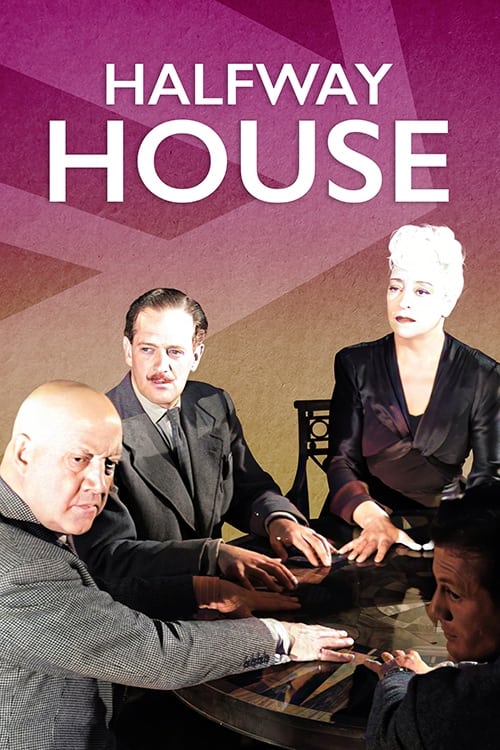
The Halfway House is a product of its time, functioning as a character study within the mystery genre. It lacks modern markers of diversity, particularly regarding race and LGBTQ+ identities, resulting in a low diversity score. However, the film avoids being purely traditionalist. It provides an early interest in the systemic friction between the individual and the state, questioning the efficacy of social institutions and the permanence of social stigma. Ultimately, the work is culturally specific and traditional in its casting, yet it offers a subtle critique of how society manages individuals deemed deviant by the prevailing moral landscape.
Category Breakdown
The film does not include any identifiable LGBTQ+ characters or explore non-straight relationships. It focuses on the psychological burdens of the time period rather than sexual orientation.
The story heavily emphasizes the male experience and the stigma of criminality. Female characters, such as the innkeeper's daughter, play supporting roles within a male-dominated framework.
The cast is predominantly white, reflecting the homogeneity of 1940s Britain. There is no indication of significant non-Anglo-Saxon representation or color-blind casting.
The story offers a nuanced look at social systems and the challenges of escaping one's past. It examines the systemic suspicion faced by former offenders and the failures of institutionalized reform.
The film does not center on physical disabilities but delves into invisible psychological struggles. These mental strains serve as character motivations within the mystery plot rather than exploring neurodivergence.
Present on Screen
Limited or Absent
Official Synopsis
A group of travellers, each with a personal problem that they want to hide, arrive at a mysterious Welsh country inn. There is a certain strangeness in the air as they are greeted by the innkeeper and his daughter. Why are all the newspapers a year old? And why doesn't Gwyneth seem to cast a shadow?
1968
1944
1944
1971
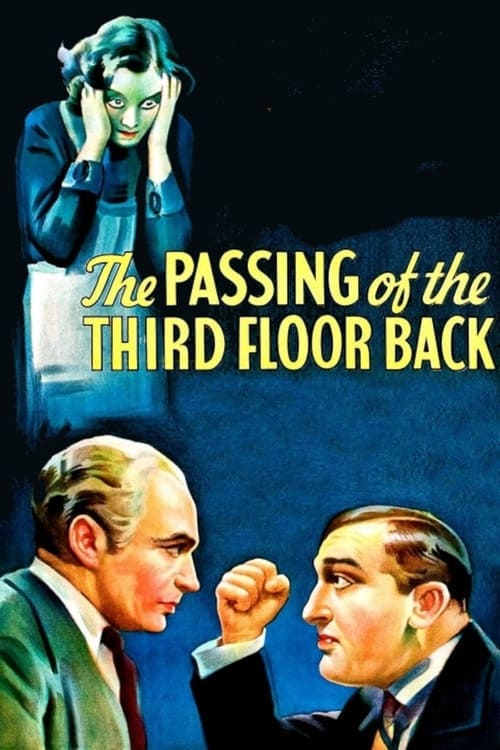
1935
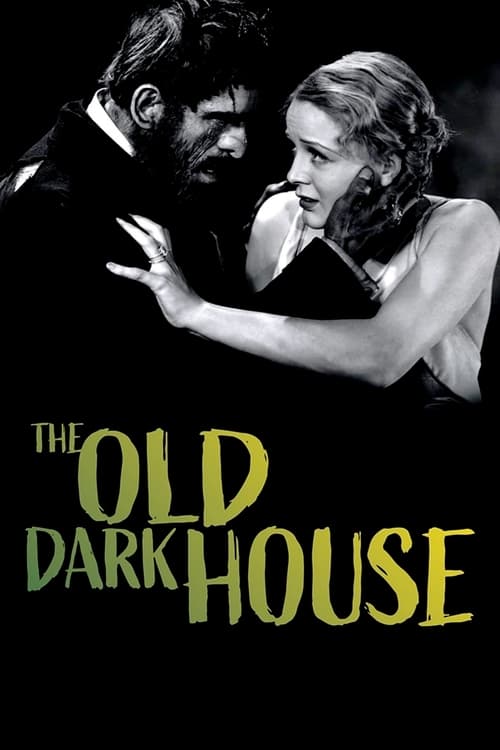
1932
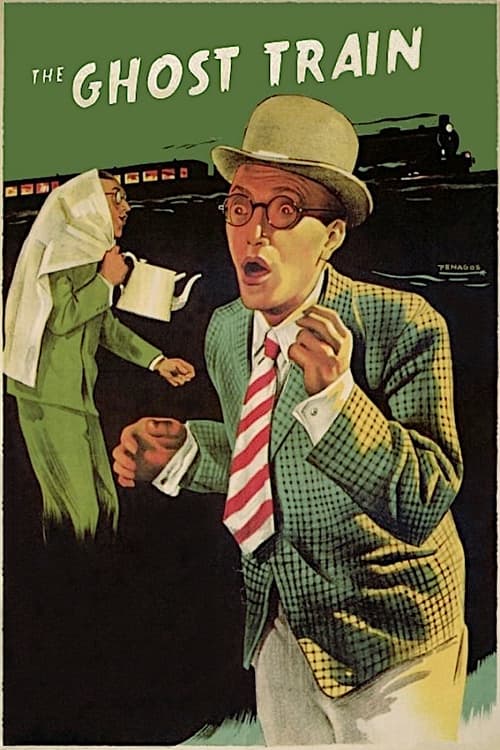
1941
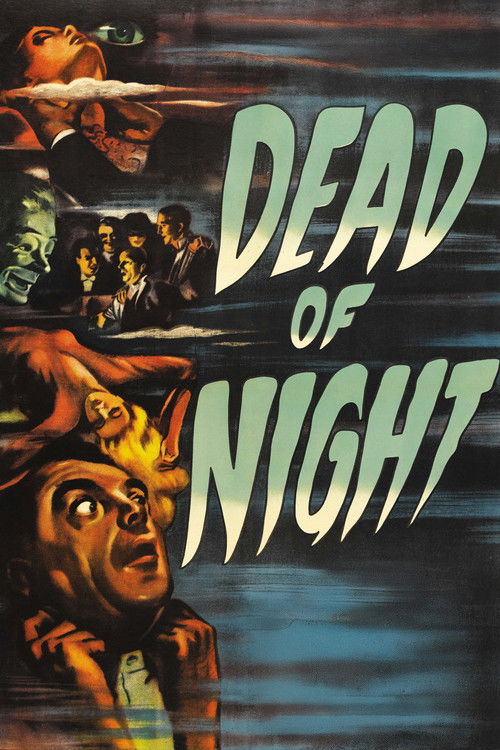
1945
No reviews yet. Be the first to share your thoughts on this movie!
Use the rating form above to leave a star rating and optional review.