
This Island Earth
1955
No user ratings available yet
Representation score: 1.7 out of 10

Representation Score
Minimal
1964
NRDirector
Nathan Juran
Runtime
103 minutes
Average Rating
No ratings yetNew Showbiz Analysis
First Men in the Moon reflects the demographic limitations of its time, featuring a predominantly white, male cast with minimal representation for women, LGBTQ+ individuals, or diverse ethnic groups. However, the film gains depth through its thematic subversion. Instead of a straightforward adventure, it critiques imperialist and capitalist frameworks. The lunar setting is used to challenge the 'conqueror' mindset and the destructive nature of unchecked greed. Ultimately, the film's strength lies in its symbolic critique of Western expansionism, while the traditional casting highlights the moral failures of capitalist pursuits.
Category Breakdown
The film focuses on a male-dominated scientific expedition and does not include any non-heterosexual identities or same-sex relationships among the human characters.
The movie features an almost entirely male cast, which reflects the gender norms of its time. Women play minor roles and have little influence over the main storyline.
The production uses a predominantly white, Anglo-Saxon cast. Despite traditional casting, the film provides a subtle critique of colonial expansion and the 'civilizing mission.'
The film criticizes Western institutionalism and capitalist expansion through the character of Bedeker. The Selenite hive-mind society serves as a metaphor opposing Western individualism.
There are no prominent depictions of physical or neurodivergent disabilities that significantly impact the narrative or serve as central character traits.
Present on Screen
Limited or Absent
Official Synopsis
The world is delighted when a spacecraft containing a crew made up of the world's astronauts lands on the moon, but are shocked when the astronauts discover an old British flag and a document declaring that the moon is taken for Queen Victoria proving that the astronauts were not the first men on the moon.
1955
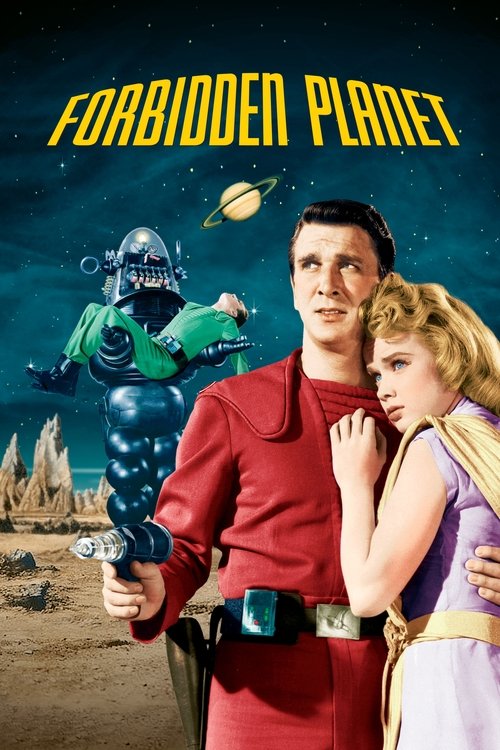
1956
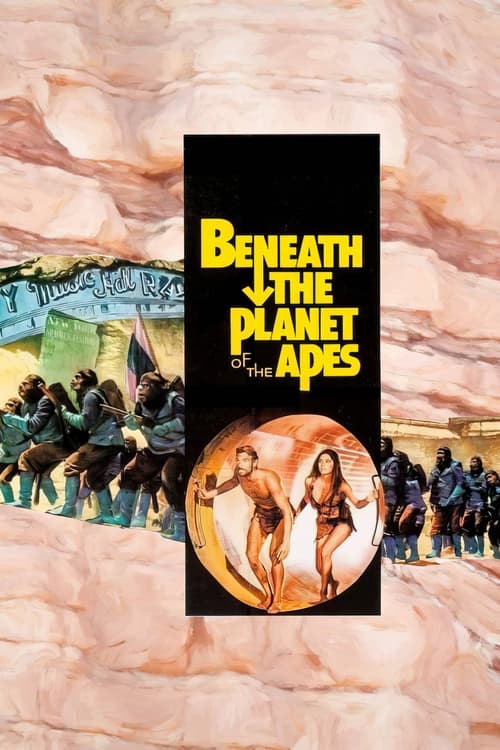
1970

1964

1966
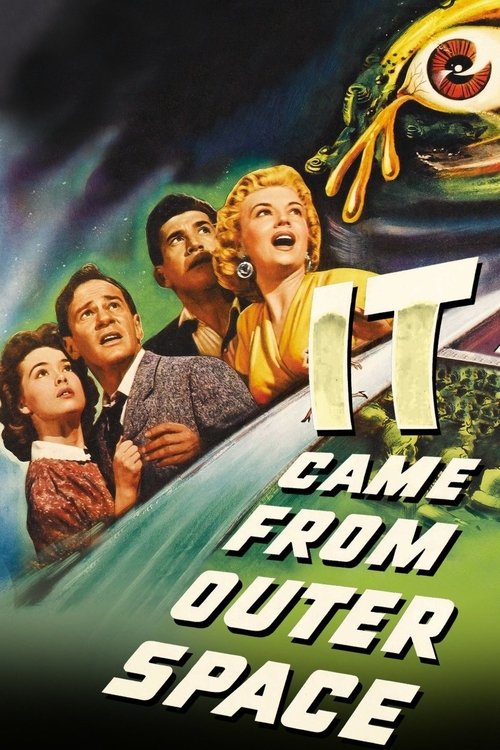
1953

2010
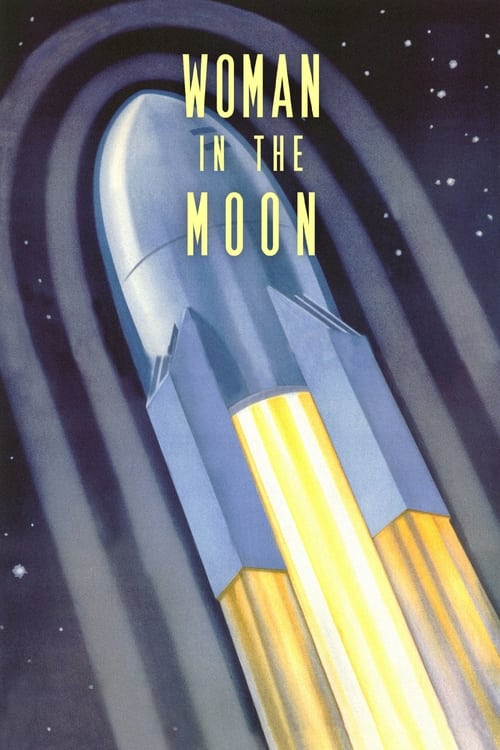
1929
No reviews yet. Be the first to share your thoughts on this movie!
Use the rating form above to leave a star rating and optional review.